
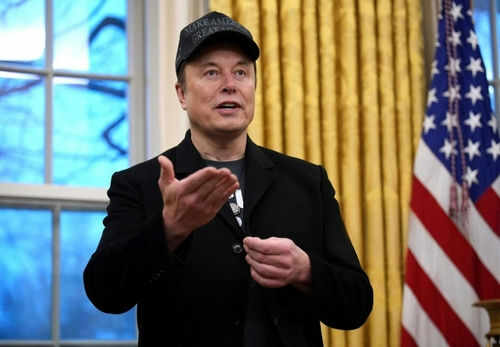
Sam Altman’s sworn testimony is turning Elon Musk’s “OpenAI got looted” lawsuit into a referendum on who controls the most powerful tech of this era—and what happens when a “nonprofit” becomes a $150B-plus machine.
Story Snapshot
- Sam Altman testified in May 2026 in Elon Musk’s ongoing lawsuit alleging OpenAI abandoned its nonprofit mission and enriched itself through Microsoft ties.
- Altman portrayed Musk as seeking sweeping control over OpenAI, describing leadership proposals and management ideas he said were “hair-raising.”
- Altman confirmed he considered major personal pivots, including joining Microsoft during the 2023 leadership crisis and even running for governor.
- The case spotlights a bigger question: how America should oversee AI power as labs evolve from idealistic nonprofits into dominant, investor-backed platforms.
Altman’s testimony reframed the dispute as a control fight
Sam Altman used his May 2026 testimony in Musk’s lawsuit to counter the core allegation that OpenAI leaders “looted” the organization for personal gain through a close commercial relationship with Microsoft. Altman’s account emphasized motivations and governance, arguing he prioritized the stated mission over money and depicting Musk as the party repeatedly pushing for leverage and control. The court fight remains unresolved, and the trial is still ongoing.
Altman’s narrative matters because Musk’s complaint challenges the legitimacy of OpenAI’s shift from a nonprofit lab to a structure that includes a capped-profit subsidiary and deep corporate partnership. For many Americans wary of concentrated power—whether in Washington or Silicon Valley—the case is a reminder that “public benefit” language can mask intense internal battles over who holds the keys to world-changing tools, and who answers to whom.
How OpenAI went from nonprofit ideal to Microsoft-backed powerhouse
OpenAI began in 2015 as a nonprofit research lab, with Altman and Musk among the prominent early figures, alongside Greg Brockman and Ilya Sutskever. Reports cited Musk as donating roughly $38 million early on, before disagreements emerged over strategy and funding. By 2017, Musk reportedly stopped quarterly contributions amid disputes, and by early 2018 he left the board as OpenAI pursued a different path to scale.
OpenAI later created a for-profit arm using a capped-profit model, and Microsoft became the central partner and investor, with reporting describing an initial $1 billion relationship that grew into more than $13 billion in investment. Musk’s lawsuit, filed in 2024, targets that evolution—arguing the organization breached the original nonprofit mission. The case now tests how courts treat nonprofit-to-profit transitions in high-stakes tech sectors.
What Altman said about Musk’s leadership style and “hair-raising” proposals
Altman’s testimony included pointed descriptions of Musk’s approach to management and decision-making, including claims that Musk pushed aggressive ideas about control and operations. According to reporting on the courtroom account, Altman characterized some proposals as extreme, including a story about a succession concept involving Musk’s children and “chainsaw” firings. Those details were presented to explain why OpenAI’s leaders resisted Musk’s preferred structure and why the relationship deteriorated.
Because the testimony is one-sided evidence presented by a defendant witness, readers should separate colorful anecdotes from proven misconduct. Still, the trial record underscores a tangible governance problem: when a project is born with a mission-first banner, the founding personalities can matter as much as the bylaws. If the court finds the structure allowed mission drift without accountability, it could force reforms beyond this single feud.
The “Blip,” Microsoft’s shadow, and the political subplot
Altman’s testimony also revisited the November 2023 leadership crisis—often called “the Blip”—when he was briefly ousted and then reinstated. Reporting indicates Microsoft offered him options during that period, highlighting how intertwined the companies had become. The lawsuit’s backdrop, then, is not just two billionaires fighting; it’s the practical reality that a dominant partner can exert enormous influence when a lab’s survival depends on capital, compute, and distribution.
Altman also confirmed personal ambitions that surprised observers, including references to political goals and an interest in possibly running for governor. That disclosure may not decide any legal claim, but it sharpens the public-policy stakes: if AI leaders move between corporate power and political power, Americans have every reason to demand clearer lines, stronger transparency, and limits that prevent unelected tech executives from effectively setting national rules through market dominance.
Why this case could shape the next wave of AI governance fights
The immediate outcome remains uncertain, with no verdict reported and key details—such as the exact testimony date and a full rebuttal from Musk—still not settled in the public summaries. Even so, the broader impact is already visible: the dispute has intensified the OpenAI–xAI rivalry, spotlighted the ethics of commercialization, and raised questions about nonprofit promises used to attract funding and talent before a pivot. Markets and employees can react quickly to governance instability.
7 takeaways from Sam Altman's bombshell testimony in his trial against Elon Musk https://t.co/rut79W1V4h
— Jazz Drummer (@jazzdrummer420) May 12, 2026
For conservatives who watched unelected bureaucracies and corporate gatekeepers grow under past administrations, the lesson is straightforward: concentrated power is dangerous, even when it wears a “do good” label. The Trump administration’s federal agencies may face pressure to clarify how AI labs are regulated, but this trial shows why transparency and enforceable governance matter first. Without them, control battles happen behind closed doors until a courtroom finally pries them open.
Sources:
Altman Tries to Turn the Tables on Musk in Contentious Testimony
Sam Altman Testimony in Elon Musk Trial: Biggest Takeaways