
A “now complete” peace deal with Iran sounds like a breakthrough, but the fine print shows something far less final and far more fragile.
Story Snapshot
- Trump says the deal with Iran is “now complete” and orders the Strait of Hormuz reopened, lifting the United States naval blockade.[2]
- Reports and mediators point to a ceasefire and agreed text, but talk about a memorandum of understanding and a 60‑day follow‑on period, not a full peace treaty.[3][5]
- Iranian and Western coverage highlight big unanswered questions on nuclear limits, money releases, and who controls the strait.[4][5]
- For conservatives, the stakes are huge: energy prices, American strength at sea, and whether Iran gets sanctions relief before real behavior change.
What Trump Announced About the Iran Deal and the Strait of Hormuz
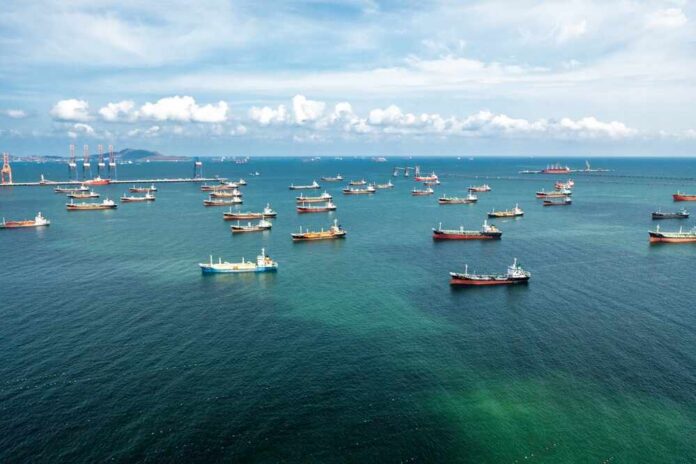
President Donald Trump posted that “the Deal with the Islamic Republic of Iran is now complete” and said he had fully authorized the “toll free opening of the Strait of Hormuz.” He also said he ordered the “immediate removal of the United States Naval blockade” and cheered, “Ships of the World, start your engines. Let the oil flow!”[2] Conservative viewers then watched live coverage repeat that the United States and Iran had reached a peace deal to end the war and reopen the strait.[1]
Television reports said Pakistan first announced that the United States and Iran agreed to end military operations and played the role of go‑between in the talks.[2] Pakistan’s prime minister claimed a “final, agreed upon text” had been reached and said, “Peace has never been this close as it is now.”[3] These messages painted a picture of a done deal, a full ceasefire, and a fast path to reopening one of the world’s most critical energy lanes.[1][3]
What the Deal Really Looks Like Behind the Headlines
Digging into the details, many reports describe something short of a full, binding peace treaty. Pakistani and Western briefings say there is a “final, agreed upon text,” but they also stress that mediators are still working with both sides to “finalize a deal,” which suggests more steps are needed.[3] Analysts on one network warned viewers not to “overestimate” the initial understanding and called it a narrow memorandum of understanding designed to stop escalation and reopen talks, not to settle every issue.[6]
Other coverage focused on draft terms and a staged process instead of an instant reset. Iranian state media described a “14‑point draft agreement” that could reopen the Strait of Hormuz within about 30 days, not overnight.[5] The same draft text promised Iran would restate that it will not seek nuclear weapons but put off a final nuclear agreement to a later 60‑day negotiation period. During that time, both sides would argue over enriched uranium, sanctions relief, and money transfers, all while the world watches oil prices jump around.[5]
Iran’s Demands, Nuclear Gaps, and Control of the Strait
Reports based on Iranian sources show Tehran pushing for major cash and sanctions relief before making deeper changes. One account said Iran wants to unfreeze billions in funds, with a total of about 24 billion dollars mentioned and 12 billion sought up front, along with a suspension of oil sanctions that have badly hurt its economy.[5] At the same time, Iran insists that its missile program and support for groups like Hezbollah and Hamas are off the table entirely, even though those are central concerns for the United States and Israel.[5]
BREAKING: "The Deal with the Islamic Republic of Iran is now complete."
President Trump says he has authorized the opening of the Strait of Hormuz and the immediate removal of the U.S. naval blockade following what he says is a completed agreement with Iran.
"Ships of the… pic.twitter.com/4uY48cRSb6
— Gina (@Gina_XRP) June 14, 2026
Control of the Strait of Hormuz is another serious fault line. One critical report quoted an Iranian official saying the strait would not reopen unless it is under Iranian management and unless there are fees, or “tolls,” for ships that pass.[4] That position clashes with Trump’s call for a “toll free” opening and free navigation.[2][4] Analysts also pointed out that Iran only agreed to talk about nuclear steps during a 60‑day period after signing, not to lock in strict limits on day one, which leaves a dangerous window for stalling and pressure.[4][6]
What This Means for American Strength, Energy, and Conservative Concerns
For conservatives, several big questions hang over this “now complete” deal. First, Trump’s long‑standing Iran policy has demanded that the regime stop threats to freedom of navigation, especially in the Persian Gulf and Red Sea, and never obtain a nuclear weapon.[1] If Iran keeps pushing for control over the strait and keeps key weapons issues off the table, then any early sanctions relief risks rewarding bad behavior before real change happens. That could undercut American leverage that was built up at great cost.[1][6]
Second, families in America are already squeezed by years of high energy costs caused by global chaos and bad green‑first policies. A safe, free Strait of Hormuz could ease oil prices and help our economy, but only if it rests on solid, enforceable terms, not on vague promises Tehran can walk back. Reports of a memorandum of understanding, draft texts, and 60‑day “to be determined” periods show that this story is still moving, with many chances for Iran, global elites, or weak allies to water down enforcement if voters look away.[5][6]
Sources:
[1] Web – BREAKING: “The Deal with the Islamic Republic of Iran is now …
[2] Web – President Donald J. Trump is Ending United States Participation in …
[3] YouTube – Trump says deal with Iran agreed and lifts blockade of strait of …
[4] Web – Trump meeting with aides to make ‘final determination’ on moving …
[5] Web – Exclusive: What’s inside the Iran deal Trump is close to signing – …
[6] YouTube – Trump announces ‘a great settlement’ with Iran, aims for …