

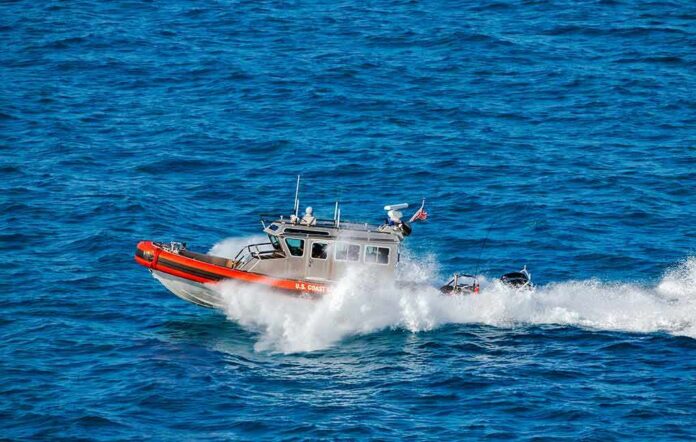
Officials shut a popular California beach after a 58-foot fishing boat grounded with about 1,000 gallons of diesel on board.
Story Highlights
- Coast Guard and Park Service formed a unified command to manage the grounding.
- Responders reported no injuries, no active fuel leak, and no wildlife impacts.
- North Beach access closed while crews plan safe fuel removal and salvage.
- About 1,000 gallons of diesel must be removed before towing the vessel.
What Happened At Point Reyes
U.S. Coast Guard crews found a 58-foot fishing vessel beached near North Beach in Point Reyes National Seashore early Friday. Leaders closed the area to keep people clear of heavy surf, gear, and possible fuel hazards while responders assessed the boat. The Coast Guard reported a unified command with the National Park Service, backed by local and state partners, to stabilize the scene and protect the shoreline. Initial reports listed about 1,000 gallons of diesel on board.
National Oceanic and Atmospheric Administration incident records stated there were no injuries, no active fuel leak, and no observed wildlife impacts during early assessments. Crews focused on securing the hull, checking tanks and lines, and staging recovery equipment. Officials said the beach would stay closed until the boat was made safe and fuel removal could begin. That step is standard before any pull-off or tow to avoid spills in the surf zone.
Who Is In Charge And What Comes Next
The unified command includes the U.S. Coast Guard and the National Park Service with support from Marin County Fire, the National Oceanic and Atmospheric Administration, and the California Department of Fish and Wildlife’s Office of Spill Prevention and Response. This team sets shared goals: protect people first, secure the vessel, and remove fuel and hazards in a way that avoids more damage. Officials aim to lighter the diesel, then refloat or recover the vessel when tides and weather allow.
Response playbooks that agencies use in groundings stress the same steps. They list safety, protection of sensitive areas, and careful salvage planning as the top priorities to cut pollution risk. Those guidelines also warn that rushed moves can cause bigger spills, so timing and method matter. For this case, that means keeping beachgoers back, staging pumps and containers, and waiting for the right tide window to work the boat safely.
Why This Matters For Coastal Communities
Point Reyes has a long record of ship mishaps thanks to shifting bars, strong surf, and fog. The area’s lifesaving history and many wreck sites show how fast things can go wrong along this coast. Modern response has improved outcomes. Early coordination, clear authority, and calm, methodical salvage lower the chance of a spill that could hurt wildlife or close beaches for weeks. The current command structure reflects those hard lessons at a busy national seashore.
SFC headline changed
Was: Fishing boat carrying 1,000 gallons of diesel runs aground at Point Reyes
Now: Bay Area beach closed after boat carrying 1,000 gallons of diesel runs aground pic.twitter.com/zeXHoifzh4— SF Chronicle Watcher (@sfcwatcher) August 23, 2026
Conservative readers expect government to act fast, spend wisely, and keep the public safe. This response aligns with that. Agencies formed a single team, set simple goals, and focused on facts: no injuries, no active leak, and a plan to remove diesel before refloating. Closing beach access is a narrow, temporary step to protect families and first responders while fuel is pumped out. That approach guards taxpayer dollars by avoiding a bigger, costlier cleanup.
Sources:
nypost.com, nationalfisherman.com, response.restoration.noaa.gov, fisheries.noaa.gov