

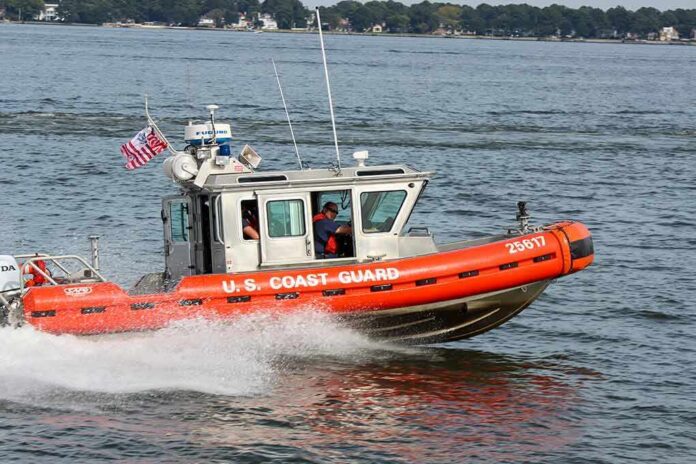
After a week missing on Isle Royale, a 70-year-old solo hiker was found alive and airlifted to safety by the U.S. Coast Guard.
Story Highlights
- Backpackers found the missing man alive on remote Isle Royale after a week.
- U.S. Coast Guard and Michigan State Police coordinated an air rescue to mainland care.
- Officials say the hiker was injured and ailing, but responsive during the hoist.
- Search-and-rescue data show solo hikers are often overrepresented in rescue cases.
Rescue On A Remote Island In Lake Superior
U.S. Coast Guard officials said a 70-year-old man who vanished on September 5 in Isle Royale National Park was located and rescued on Saturday. The Coast Guard reported the man was injured and ailing when found, and crews executed a medical evacuation from the island in coordination with Michigan State Police. Reporters described the final hoist into a helicopter and transfer to emergency medical services at Marquette Regional Airport for hospital care.
National Park Service officials said backpackers on the island discovered the hiker alive and alert before rescue teams arrived. Local coverage showed video of a stainless-steel rescue basket lift and calm radio calls as aircrew brought the man aboard. Reporters said the crew launched from Coast Guard Air Station Traverse City, found a safe hoist site, and ferried the patient to the mainland for treatment after a week in harsh, cold conditions.
How Crews Found And Moved The Patient
Searchers focused on rugged terrain where trails break into thick forest and rocky shoreline. Officials said the man survived days of exposure, and he was hypothermic and injured when located by fellow hikers. The Coast Guard release confirmed a joint operation with Michigan State Police, who handled parts of the inland search and coordination with park rangers and local responders. Medical staff met the helicopter on arrival and took over care after the hoist.
Local and regional outlets documented the timeline from the Sept. 5 overdue report to the Sept. 12 rescue. Park staff fielded tips from hikers while air and ground teams worked around shifting Lake Superior weather. Backpackers provided the break that narrowed the search grid to a reachable extraction point. Air crews then managed rotor wash, basket placement, and cable control to secure the patient and clear the trees for a clean lift, as video clips showed.
Why Solo Hikers Face Higher Rescue Risk
Search-and-rescue statistics show people hiking alone account for a large share of rescue cases across wilderness missions. A summary by a search-and-rescue analyst reported solo hikers make up about 58 percent of cases, even if they are a smaller share of total trail users. A national parks study found most operations involve day hiking and issues like fatigue, gear gaps, and judgment errors. Quick location is often the difference between life and death in these cases.
WATCH: Missing 70-Year-Old Hiker Found Alive After Week in Remote US National Park
A 70-year-old solo hiker who went missing for a week in one of America’s most remote national parks has been found alive at Isle Royale National Park in Lake Superior.
Craig Berg was suffering…
— Trivane News (@TrivaneNews) September 14, 2026
This rescue shows how fast coordination and solid training save lives without drama or delay. Crews acted, citizens helped, and the system worked. For readers who hike, simple steps matter: carry a map, warm layers, extra food, a light, and a whistle. Share your plan and check out when you finish. For public safety, support strong first responder funding and training. That respect for preparedness, accountability, and community help lines up with the values that keep people alive in America’s backcountry.
Sources:
facebook.com, abcnews.com, wtip.org, upnorthlive.com, universe.byu.edu