
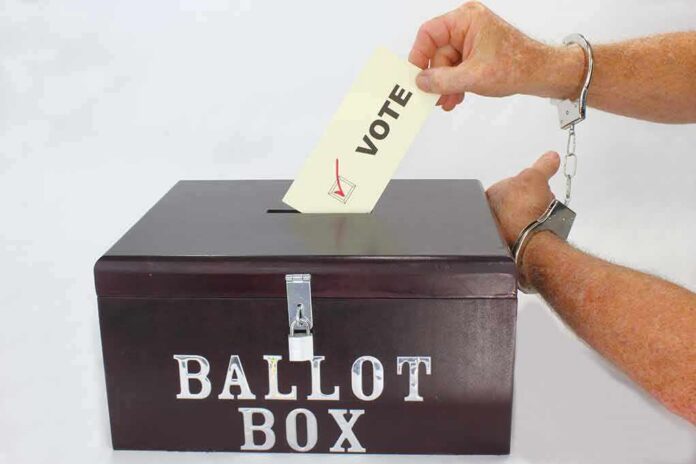
A 1,000-name sampling by Michigan’s elections staff left a citizens-only voting amendment just 17 validated signatures short of the ballot, blocking a photo ID and proof-of-citizenship vote after more than 700,000 Michiganders signed.
Story Highlights
- State staff validated 612 of 1,000 sampled signatures; 629 were required to certify.
- Officials estimate 434,423 valid signatures out of 709,841 filed—11,775 short of the threshold.
- Americans for Citizen Voting says over 700,000 signers deserve a statewide vote.
- Sampling rules, not raw totals, decided the outcome in Michigan’s process.
Close Call: Sample Falls 17 Signatures Short Of Certification Bar
Michigan Bureau of Elections staff reported that a random 1,000-signature sample for the citizens-only and photo ID amendment validated 612 names. The standard requires at least 629 to certify a petition from the sample size. The shortfall of 17 kept the measure from automatic certification for the ballot. Staff said the sponsor needed a 62.9 percent validity rate and achieved 61.2 percent in the sample, after challenges were resolved and counted.
Officials said they estimated 434,423 valid signatures across the full filing. The minimum to reach the ballot is 446,198 valid signatures. That estimate leaves the drive 11,775 short. The campaign filed 709,841 signatures, far beyond the raw minimum, but the sample-based estimate controls the outcome under state rules. Staff said the petition did not meet the required validity level after challenges were reviewed and applied to the sample results.
How A Big Filing Lost On Process, Not Volume
Michigan law uses sampling to test large petition filings. The Board of State Canvassers set a 1,000-signature sample and published the cut line in advance: certify at 629 or more, deny at 628 or fewer. This rule is designed to spare a full hand check, but it makes narrow margins decisive. Here, the sample rate missed the bar. That meant the state’s estimate, not the raw 709,841 total, determined the petition’s fate for now.
Election staff listed common errors in petition drives. These include people not registered in the listed city or township, duplicate entries, and mismatches with state voter records. Each defect lowers the valid count in the sample. When the sample is small and the cutoff is tight, these errors can swing the result. Staff said these factors played into the final 61.2 percent validity rate for this petition’s sample.
What Both Sides Are Saying And What Comes Next
Americans for Citizen Voting argued that more than 700,000 Michiganders backed the measure and “deserve a vote.” The group said it is reviewing the bureau’s findings and will respond. State officials, for their part, point to the published sampling rule and the final 612 count as the reason for the denial recommendation. The group can pursue remedies through the Board of State Canvassers and courts, as other close-call drives have done in past cycles.
A Michigan constitutional amendment petition by Americans for Citizen Voting to tighten voter ID and proof-of-citizenship laws fell an estimated 11,775 total valid signatures short, missing the required sample threshold by precisely 17 valid signatures in the state's random… pic.twitter.com/IkxKnnmTvm
— Q + AWAKENING = RESET 🇺🇸 (@QAWAKENINGRESET) August 21, 2026
For voters who want secure elections, this fight is about basic trust and clear rules. Voters expect the ballot to include measures with massive support that meet fair standards. The state relies on sampling to manage workload, but tight thresholds can negate hundreds of thousands of signatures when a small slice falls short. That tension—between process and popular demand—now decides whether Michigan voters can choose a photo ID and proof-of-citizenship rule this November.
Key Stakes For Election Integrity And Voter Confidence
Requiring proof of citizenship and a photo ID is a straightforward guardrail to many voters. Supporters see it as common sense that protects each legal vote. Opponents often argue it adds barriers. This measure was designed to let the people decide. The state’s method set the decision point on a 1,000-name sample. That is legal, but it frustrates citizens who believe large, good-faith efforts should advance when they clear the raw signature bar by wide margins.
President Trump’s administration continues to push for election integrity nationwide, but state rules control state ballots. Michigan’s process shows why grassroots groups must plan for high signature quality, not only quantity. Every duplicate and mismatch counts against the sample rate. Until lawmakers change the process, citizens who want reforms like photo ID and citizenship checks must overperform on validity so a small sample cannot erase a large show of public support.
Sources:
detroitnews.com, michigan.gov, mlive.com, watershedvoice.com