

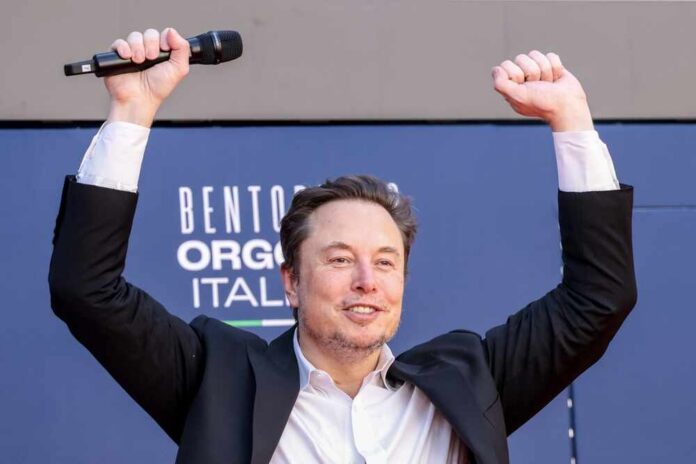
As SpaceX’s blockbuster IPO crowns Elon Musk the world’s first trillionaire, progressives rush to revive wealth-tax schemes that could hit ordinary investors too.
Story Highlights
- Major outlets report Musk crossed the trillion-dollar mark on SpaceX’s record market debut [1][2].
- Critics call the valuation a “wealth transfer,” while SpaceX employees also saw big gains [3][5].
- Analysts note much of Musk’s fortune is “on paper,” not cash in hand [1][2].
- Debate over new taxes collides with America’s need to lead in space and technology [1][2][3].
Record IPO Fuels Trillionaire Headlines And Political Heat
Bloomberg and ABC News reported that SpaceX’s initial public offering made Elon Musk the first person to reach a trillion-dollar net worth, driven by a soaring debut and his large stake in the company [1][2]. ABC News said SpaceX opened near a two trillion dollar valuation and called it the largest initial public offering ever, with Musk owning about four out of every ten shares after the listing [2]. These reports set off a fresh fight over wealth, taxes, and who really benefits from tech success.
Democracy Now framed the event as a “massive wealth transfer from everyday investors to insiders,” pointing to a steep revenue multiple and insider gains [3]. Forbes reported Musk’s fortune jumped by one hundred eighty-eight billion dollars in a single day tied to the offering’s pricing, adding to the spectacle [4]. At the same time, coverage highlighted that the company’s rise also created thousands of new millionaires among workers, complicating the “only elites win” claim [5].
Paper Wealth, Real Stakes: What The Numbers Actually Mean
Reports stressed that most of Musk’s wealth stems from stock value, not cash, which matters for any tax push aimed at net worth rather than realized gains [1][2]. ABC News noted SpaceX’s massive value at the open, while citing estimates of Musk’s share count and options that explain the leap on paper [2]. This gap between market price and spendable cash is why wealth taxes are hard to enforce and easy to misfire, especially for innovators building long-term projects.
Bloomberg described a compensation plan linked to extreme performance benchmarks, including a human colony on Mars that reaches one million people, with the package potentially worth hundreds of billions more if achieved [1]. That structure ties upside to outcomes, not just hype. Supporters say such targets reward real progress. Skeptics argue the sums skew the system. Either way, the numbers depend on future results, which reinforces how “trillionaire” headlines can outpace practical reality.
Who Benefited: Founders, Workers, And American Leadership
Forbes and other reports said the offering produced huge paper gains for Musk, yet worker stories also surfaced, including former welders and engineers who saw life-changing stock windfalls [4][5]. That pattern fits a broader American model where risk-takers, builders, and employees can all share in success. The United States needs this engine to stay ahead of China and keep space access secure, reliable, and affordable. Strangling it with rushed tax schemes could dull our edge and export jobs and innovation.
Democracy Now criticized the offering’s valuation as excessive and framed it as a loss for small investors [3]. But the same coverage cycle highlighted how employees gained and how the company’s achievements shaped confidence in the market [5]. When lawmakers cite “trillionaire” headlines to push wealth taxes, they often ignore that the gains are volatile and illiquid. They also skip the risk that new taxes hit pensions, retirement accounts, and small shareholders who hold index funds stuffed with growth names.
Policy Crossroads: Guard Innovation, Keep Taxes Fair, Stop Cronyism
ABC News and Bloomberg confirm the milestone and the size of the offering, but they do not present audited filings that resolve every ownership or liquidity detail [1][2]. That missing precision should warn policymakers against blanket taxes on unrealized gains, which would force asset sales and drain capital from research. A smarter path is broad-based growth: low taxes on investment, strict spending discipline to tame inflation, and targeted antitrust and procurement reform to stop true crony deals without punishing success.
Conservatives can welcome private-sector wins that create real jobs and national capacity while demanding transparency and a level field. SpaceX’s rise shows what American engineers can do when government gets out of the way, sets clear rules, and buys services instead of micromanaging. The right lesson from the “trillionaire” moment is not envy or emergency taxes. It is doubling down on liberty, competition, and accountability so workers, savers, and builders all share the next wave of American growth [1][2][3][5].
Sources:
[1] Web – The Hateful Eight: Musk’s Money Milestone May Have His ‘Biggest Fans’ …
[2] Web – SpaceX IPO Makes Elon Musk World’s First Trillionaire
[3] Web – SpaceX IPO makes Elon Musk the first-ever trillionaire
[4] Web – SpaceX IPO Could Make Musk a Trillionaire at Your …
[5] YouTube – Elon Musk Becomes The World’s First Trillionaire Ever After …