
A fresh clash of stories over why US–Iran talks were postponed shows how foreign powers and legacy media still try to box in America’s choices — even under a Trump White House that says it will not play along.
Story Snapshot
- White House says Vice President Vance’s Switzerland trip was delayed only by “logistical issues,” not by pressure from Iran or Israel.
- Iranian‑aligned outlets claim Tehran paused talks to protest Israeli strikes in Lebanon, putting their own spin on the breakdown.
- The stakes are huge: the talks are tied to a ceasefire, oil flows through the Strait of Hormuz, and Iran’s nuclear program.
- Conflicting narratives show why conservatives demand transparency and strength when dealing with Iran and its terror proxies.
White House Says It Was a Scheduling Snag, Not a Strategic Retreat
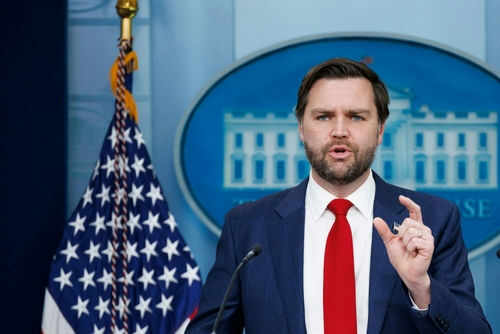
The White House told reporters that Vice President JD Vance’s planned trip to Switzerland for technical talks with Iran was postponed because of logistics, not politics.[1] Officials said the logistics for these negotiations “have never been simple or predictable” and that Vance was “not departing tonight,” stressing that the American team was ready to fly as soon as plans were firm.[1] They also said the delegation could leave at the “first opportunity,” signaling that Washington did not want to slow the process.[2]
Coverage across several outlets repeated the same on‑the‑record explanation from the White House, all pointing to “logistical issues” around meetings that were still described as “technical talks.”[1][8] That consistency matters for readers who are used to the old D.C. habit of hiding behind unnamed leaks. Here, the Trump administration put its name on the record, said what the problem was, and did so at the moment the trip was called off, not days later after the spin rooms had time to test‑market talking points.[1]
Iranian and Regional Media Blame Israel’s Strikes in Lebanon
While the White House focused on scheduling, Iranian and Hezbollah‑aligned media pushed a very different line. The semi‑official Tasnim agency in Iran reported that Tehran’s negotiators were suspending talks and even halting exchanges of texts through go‑betweens in response to “Israel’s intensified military actions in Lebanon.”[10] The outlet framed this as a protest move, pairing the diplomatic pause with threats to close the Strait of Hormuz, a key energy chokepoint.[10]
Al‑Mayadeen, a channel close to Hezbollah, claimed Iran delayed sending its delegation to Switzerland specifically because of Israel’s campaign in Lebanon.[9] Some Western coverage echoed that angle, noting that the White House logistics statement landed soon after those reports, creating an easy headline about “dueling narratives.”[5][9] But none of these regional accounts came with hard proof, travel records, or Swiss documents. They also did not show direct quotes from Iran’s top leaders clearly saying the strikes were the only reason for the delay.[10][6]
Swiss Hosts Confirm Delay but Stay Neutral on the Cause
Switzerland, which has been hosting these talks and often acts as a neutral channel, confirmed that the latest round of United States–Iran discussions at the Burgenstock resort had been postponed.[3] Swiss officials said their country remained ready to facilitate the meetings and noted that several articles in the broader agreement were still unresolved.[6] They did not publicly blame Israel’s strikes in Lebanon, Iran’s choices, or the White House’s planning for the schedule slip.[3][6]
For many conservative readers, that silence from the neutral host raises an important point. If Israeli airstrikes were the clear, sole trigger for the delay, Swiss diplomats could have said so. Instead, they treated the postponement as another bump in a long, messy process that already saw earlier sessions delayed for what Oman once also called “logistical” reasons.[7] This pattern fits a familiar reality: authoritarian regimes often use outside events as cover when they want to stall or avoid making hard concessions.
High‑Stakes Talks, Big Energy and Security Consequences
These talks are not a minor photo‑op. The Trump administration is pushing a deal that ties a lasting ceasefire to opening the Strait of Hormuz, lifting a naval blockade in stages, and forcing Iran to halt and dismantle key parts of its nuclear program.[20][21] A signed memorandum would kick off about sixty days of follow‑on negotiations to lock in limits on enrichment and a timetable for ending sanctions, with a final pact expected to go through the United Nations Security Council.[20][21]
Iran, for its part, has dragged its feet in public, saying that “final negotiations will be postponed” until it sees more movement from the United States on sanctions relief and blocked funds.[20] Iranian state media has also called American demands “excessive,” especially on shutting nuclear sites and cutting support for terror groups such as Hezbollah and the Houthis.[17] That history makes it easier to see why Tehran might welcome any excuse, including Israeli military moves, to slow‑roll a process that forces real choices.
Why This Clash of Narratives Matters for American Conservatives
For many on the right, the core issue is not just who caused a delay in one trip. It is whether the United States will once again let opaque foreign stories, global media spin, and war‑zone chaos dictate American policy. The record shows a White House that put out a clear, limited explanation tied to logistics and an Iranian camp that, through friendly outlets, tried to shift blame onto Israel while avoiding the hard questions about its nuclear program and regional aggression.[1][9][10]
Every time Iran and its allies muddy the waters, it becomes harder to hold them to any deal and easier for permanent‑war voices to claim that peace talks are pointless. That is why conservatives keep pushing for firm conditions, real verification, and full transparency on both travel schedules and security risks. In a world of clashing stories, a strong America needs facts, not fog — and it cannot let Tehran, Hezbollah, or globalist media decide when our vice president flies or when our Constitution takes a back seat.
Sources:
[1] Web – US-Iran Talks Postponed Amid Israeli Strikes as White House Blames …
[2] Web – White House postpones Vance’s trip to Switzerland for Iran talks …
[3] YouTube – White House postpones Vance’s Iran talks trip to Switzerland
[5] YouTube – US-Iran Postpone Peace Talks In Geneva, Claim Different Reasons
[6] Web – U.S.-Iran deal signing sets stage for nuclear negotiations, but …
[7] Web – Iran-US deal under strain after Swiss talks postponed – Yahoo
[8] Web – 2025–2026 Iran–United States negotiations – Wikipedia
[9] Web – Iran live updates: US talks with Iran postponed – ABC News
[10] Web – Israeli Military Strikes in Southern Lebanon in Intense Fighting as …
[17] Web – US-Iran talks postponed as Israel attacks Lebanon – Facebook
[20] YouTube – Iran War Negotiations: What’s on the Table?
[21] Web – Trump’s Iran Deal: What We Know So Far