
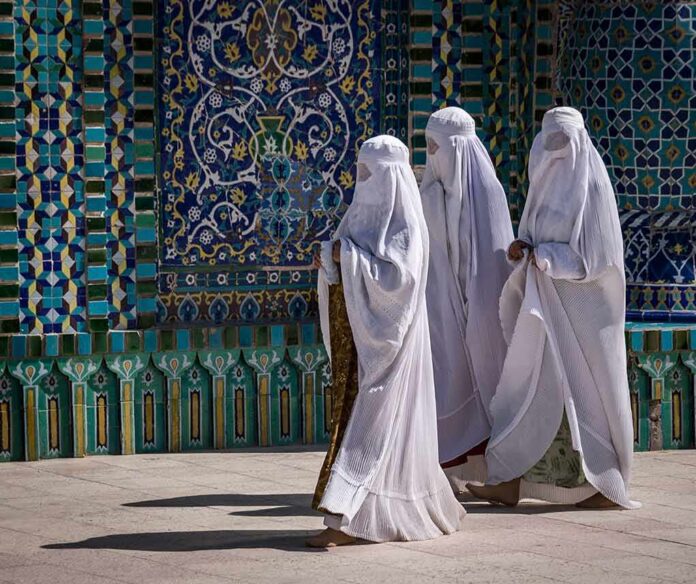
Afghan teen girls studying in a hidden Kabul basement handed CBS News their “letters to the world,” defying a Taliban ban on their education.
Story Highlights
- CBS gained rare access to a secret Kabul classroom where girls study in defiance of Taliban rules.
- Students wrote urgent letters asking the world to read their pleas for education and freedom.
- Taliban authorities bar schooling for girls beyond sixth grade, pushing lessons underground.
- Teachers and families risk reprisals to keep girls learning in home basements and hidden rooms.
What CBS Reported From Inside the Kabul Basement
CBS News reported from a basement classroom in Kabul where teenage girls continued lessons despite a Taliban ban on girls’ education beyond the sixth grade. Reporters said teachers and students allowed rare access so the world could see their daily reality. The girls shared handwritten letters, asking global readers to hear their voices. The report describes a quiet corner of the city, low light, and hushed movement. The secrecy aims to avoid detection while keeping studies alive.
The CBS project centers on the letters themselves. Producers explained that students wanted people outside Afghanistan to read their words directly. The girls wrote about hope, fear, and a desire to keep learning. They asked for help but also respect for their courage. The letters highlight how even basic schoolwork now requires stealth. The message is simple and strong: let us learn, protect our teachers, and do not forget us while the ban continues.
The Ban That Drove Schools Underground
Multiple outlets confirm that the Taliban forbid girls from attending secondary school, which forced many families to seek hidden options. Reporters have documented secret classrooms in private homes and basements across Kabul and other cities for several years. Teachers adjust schedules, rotate locations, and keep class sizes small to reduce risk. Students arrive quietly, carry few books, and leave in staggered groups. These choices add safety, but also strain learning and limit access to materials.
A Kabul-based outlet quoted a Taliban spokesman who called the halt a suspension of a “particular” system, rejecting the idea that it denies a fundamental right to education. That claim contrasts with the lived experience described by girls and teachers in current reports. Their accounts show a blanket stop on secondary schooling for girls. Whether officials label it a pause or not, the outcome is the same on the ground. Girls must hide to study. Teachers face danger to keep classes open.
How Many Girls Are Learning in Secret
Reports present different head counts because secret schools vary in size and move often. One Kabul class reportedly had between 75 and 80 girls across grades, while other programs serve dozens or even hundreds over time. CBS highlighted a basement group of teen girls and focused on their letters rather than a network map. Other reporting describes wider efforts that include many hidden rooms and online lessons when possible. The scale shifts, but the pattern holds: demand is high, and supply is fragile.
Teachers describe tight budgets and a constant need for books, safe space, and transport. Parents weigh risk against their daughters’ futures. Students study core subjects to stay on track in case schools reopen. The push to learn remains strong despite stress. Accounts from Kabul and other regions show the same picture: quiet bravery, careful planning, and a shared goal to keep minds active during a shutdown that has lasted years.
Why This Matters to American Readers
The girls’ letters echo values Americans share: faith, family, and the right to learn without fear. A society that shuts girls out of school also shuts out the future. That harms basic human dignity and invites deeper instability. Reporters found that even under pressure, families still choose learning. That is a stand for freedom. The United States can support safe education efforts and back groups that protect teachers and students, while defending human rights in clear terms.
🚨 21 AFGHAN GIRLS SEND “LETTERS TO THE WORLD” FROM SECRET UNDERGROUND SCHOOL
1/2
Twenty-one Afghan girls studying in secret under Taliban rule handed CBS News correspondent Imtiaz Tyab handwritten “Letters to the World.”Risking arrest simply to continue their education, they… pic.twitter.com/VdO7wzENBL
— Mossad Commentary (@MOSSADil) September 14, 2026
Policy makers face tough choices, but the core principle is simple. Children deserve classrooms, not basements. Honest reporting like this CBS access shows what is at stake for real people, not just in theory. It also reminds us that freedom needs guardians. American readers can stay informed, support credible charities, and urge leaders to press for access to education as part of any talks. The girls asked the world to read their letters. Now the world must answer.
Sources:
youtube.com, cbsnews.com, tv2.no, cbs.com, ua.news, nytimes.com