

A Denver mayoral hopeful says her theft of public food benefits “actually qualifies” her to lead the city, reviving hard questions about trust in government and who gets to run it.
Story Highlights
- Denver councilwoman Shontel Lewis says her 2008 food-benefits theft conviction makes her qualified to be mayor.
- Critics argue stealing public benefits while a government employee should disqualify a candidate from overseeing a city budget.
- Colorado’s constitution permanently bars people convicted of embezzlement of public money from holding office; Lewis says that bar does not apply to her case.
- The debate centers on public trust, eligibility rules, and whether “lived experience” can outweigh past misconduct managing taxpayer funds.
Candidate Says Past Theft Is a Qualification
Denver City Councilwoman Shontel Lewis told a television interviewer that her 2008 theft case is part of why she believes she is qualified to serve as mayor. Lewis said the experience came when she was young and struggling, and that she paid restitution and completed her sentence. She framed it as firsthand knowledge of poverty that shapes her policy views and leadership, saying, “I actually think that experience is what actually qualifies me” to lead Denver.
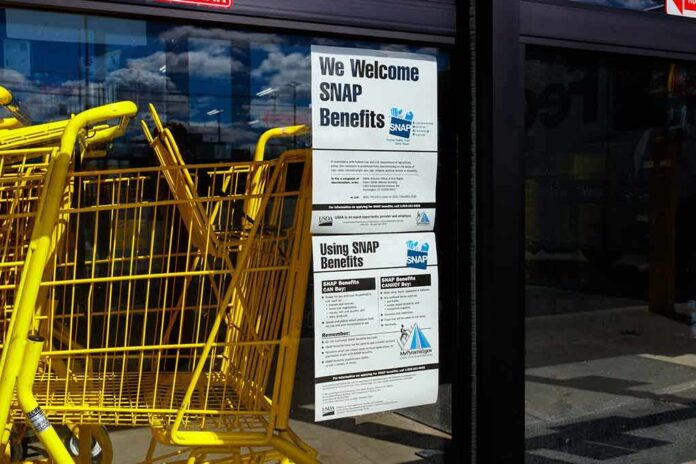
Reports describe the underlying conduct as theft of public assistance while Lewis worked at a food benefits office. Prior coverage of court records says she reissued Electronic Benefit Transfer cards for other people’s accounts for use by herself and a roommate, and that she later pleaded guilty to misdemeanor theft and paid restitution. Those facts fuel concern that the offense went beyond a private mistake and instead breached public trust connected to taxpayer funds.
Public Trust and Stewardship of Taxpayer Funds
Commentary outlets and local critics say stealing public benefits while serving in a government role clashes with the duties of a mayor. They argue the city’s chief executive oversees budgets, contracts, benefits enforcement, and audits. They say voters should expect a record that builds trust, not one that raises questions about handling public money. They frame Lewis’s claim of “qualification” from theft as backward logic that normalizes misconduct with taxpayer resources.
This dispute lands in a familiar national pattern. Campaigns often argue over whether a conviction shows unfitness or resilience. When the conduct involves public benefits or public money, the debate intensifies. Voters ask whether restitution and time served repair the core breach. Supporters point to redemption and lessons learned. Opponents point to the duty to guard every dollar taxpayers send to city hall. Denver’s race now turns on that tension as ballots approach.
What Colorado Law Actually Says About Eligibility
Colorado’s constitution states that a person convicted of embezzlement of public money, bribery, perjury, solicitation of bribery, or subornation of perjury is not capable of holding any office of trust or profit in the state. State law also sets a crime of embezzlement of public property and makes clear that public servants who convert public money to personal use face penalties and a permanent bar tied to that offense. The language is strict for embezzlement, but it does not list general misdemeanor theft.
Lewis told 9NEWS she sought legal advice before filing for mayor and believes the constitutional bar does not apply to her case. The 2018 reporting on her prior race for a regional transportation board noted a misdemeanor theft plea involving public benefits, not an embezzlement conviction under the specific embezzlement statute. That legal distinction likely explains why she argues she is eligible. Whether opponents challenge her eligibility in court remains to be seen.
Accountability, Redemption, and the Ballot Box
The campaign now asks Denver voters to weigh two clear ideas. First, Lewis says her lived experience with poverty and her mistake inform how she would govern. She says she completed restitution, finished her sentence, and rebuilt community trust. Second, critics say a mayor must set the standard for honesty, protect tax dollars, and model respect for the law. They say calling theft from a public program a qualification flips accountability on its head.
Denver socialist mayoral candidate Shontel Lewis says stealing food stamps is what qualifies her for City Hall.
Lewis, a city councilwoman and the DSA pick, pleaded guilty in 2008 to misdemeanor theft. She worked at the Colorado food-stamp office and reissued EBT cards meant for… pic.twitter.com/gGnDRulPVw
— Hosna ⚖️ בניטה (@DOGEQEEN) September 21, 2026
The Denver clerk’s tracker shows Lewis has filed to run for mayor and is listed as participating but not yet qualified for the ballot, which reflects normal administrative steps in a campaign cycle and is not, by itself, a legal judgment on eligibility. If a formal challenge comes, a court would parse records, charges, and statutes. Until then, voters will judge the message: is “I stole from a public benefit program, and that qualifies me” a story of growth—or a bridge too far for public trust?
Sources:
thegatewaypundit.com, townhall.com, christopherfountain.com, outfrontmagazine.com, freebeacon.com, downtowndenver.com