

The United States has raised a hard red line: do not travel to Mozambique’s Cabo Delgado Province because terrorists are targeting civilians, roads, and even high-end resorts.
Story Highlights
- The U.S. State Department lists Cabo Delgado as “Do Not Travel” due to terrorism.
- Officials warn that terrorists keep planning attacks on villages and key routes.
- United Kingdom and Canada advisories echo the same bottom line for the province.
- Attacks and civilian deaths remain linked to Islamist insurgent groups active since 2017.
State Department Issues ‘Do Not Travel’ Order for Cabo Delgado
The U.S. State Department says Cabo Delgado in northern Mozambique is unsafe and lists it as Level 4: Do Not Travel. The advisory cites ongoing terrorist activity that targets government forces, villages, and supply routes in the province. That means danger can appear on roads, near coastal areas, and around outlying lodges. The warning sits on the official travel page and is the highest level the government uses for risk. The goal is simple: keep Americans out of an active conflict zone.
Officials repeat that militants continue to plan and carry out strikes in the region. The same language appears across State Department pages that Americans often check before trips. The message is clear and specific to the province. It is not a blanket “avoid Mozambique” order. The warning calls out Cabo Delgado and nearby northern districts because of terrorist threats and limited emergency support there. Travelers who ignore it may find it hard to get help fast if something goes wrong.
Allies Deliver Matching Warnings on Northern Mozambique
United Kingdom guidance advises against all travel to Cabo Delgado, explaining that groups linked to Islamist extremism have attacked civilians and clashed with security forces. Canada tells citizens to avoid all travel to the province due to the ongoing insurgency, urging people to also avoid non-essential trips to nearby Pemba City. These notices align with the U.S. call and show a shared view among allied governments on the risks in the far north.
Security trackers document continued violence in the province as insurgents shift tactics and areas of operation. Conflict monitors report deaths and attacks tied to Islamic State Mozambique and allied fighters over the years. Recent updates list fresh civilian fatalities and note ambushes on commercial traffic. These are not random crimes; they are part of a persistent insurgency that seeks to disrupt daily life, scare locals, and deter outside visitors and investors in the region.
What This Means for American Travelers and Safari Plans
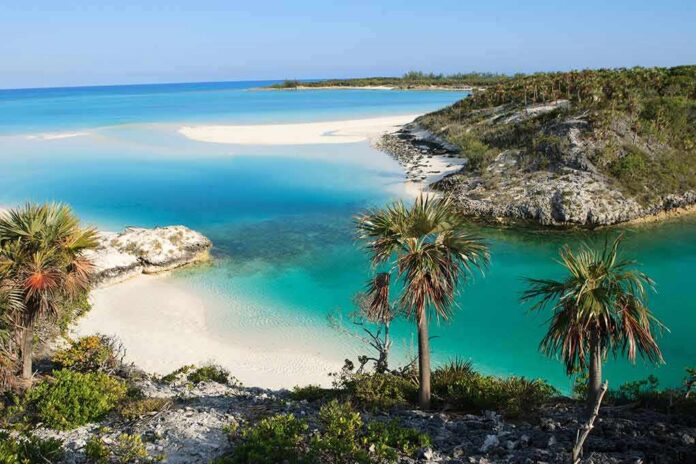
Resort ads and safari photos often show white-sand beaches and island getaways along Mozambique’s coast. But up north, the picture changes. Terror groups have hit villages and travel corridors, which can also serve luxury retreats and hunting areas. That risk puts tour convoys, small airstrips, and remote lodges in play if militants want to make headlines. U.S. officials are telling families to reroute plans rather than gamble on backcountry security in a live conflict zone.
For travelers seeking African safaris or beach time, there are many safer choices. Neighboring countries run well-known parks with strong private security and better roads. If you have prepaid plans touching northern Mozambique, contact your provider and your insurer. Ask detailed questions on routes, escorts, and medevac options. If answers sound vague, walk away. Your safety comes first. Officials can replace a passport; they cannot undo a kidnapping or an attack on a remote road.
Why Cabo Delgado Remains Volatile
Cabo Delgado’s trouble traces back to 2017, when a local Islamist group began violent raids and later linked up with the Islamic State network. The fighting has drawn in Mozambican troops and foreign partners over time. Analysts say militants try to control rural areas, strike towns, and tax trade routes. That pattern threatens churches, schools, and clinics and leaves civilians exposed. It also strains food supply and pushes families to flee their homes in search of safety.
🌍 WORLD FLASH: Americans warned to avoid African beach and safari destination as terrorists target luxury retreats
Cabo Delgado Province, home to Quirimbas National Park and wildlife reserves, is designated 'Do Not Travel'.https://t.co/odFVJjsi8E
— Cyber Hunter (@Gene_SD) August 24, 2026
Recent conflict snapshots show that while government and partner forces make gains in some districts, militants adapt and move. Ambushes, arson, and targeted killings keep the pressure on civilians and drivers. Data from March 2026 lists new civilian deaths in the province, reminding us the fight is active and dangerous. That reality is exactly why the United States, the United Kingdom, and Canada keep their strict warnings in place for the province’s roads, villages, and resort-adjacent zones.
Bottom Line for Conservative Readers
Washington’s job is to protect American lives, and this warning does that. The government is drawing a clear boundary for a hot zone where terrorists prey on soft targets. Personal responsibility means heeding that line. If a tour operator downplays the risk, trust the advisories, not the sales pitch. Keep your family out of Cabo Delgado until the threat fades and the advisories change. Vigilance and common sense will save lives here.
Sources:
nypost.com, travel.state.gov, beyondekaya.com, worldtravelguide.net, dailymaverick.co.za, acaps.org