

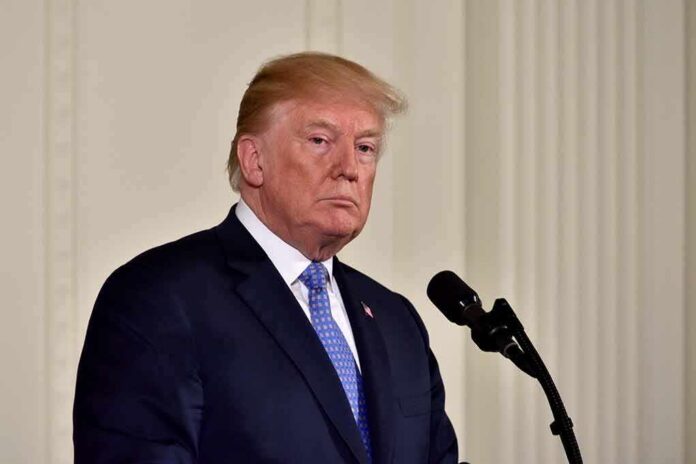
President Trump moved to scrap Biden-era methane rules, with the Environmental Protection Agency projecting $45 billion in savings for consumers and energy producers under a proposed revision.
Story Highlights
- EPA proposes revisions that it says could save $45 billion and ease burdens on small wells.
- Plan targets costly leak checks, long repair timelines, and the Super Emitter Program.
- Administration cites potential for 210 million more barrels of oil and more natural gas.
- Proposal is not final; public comment and legal scrutiny will follow.
What the Administration Proposed and Why It Says Costs Fall
The Environmental Protection Agency proposed rolling back Biden-era methane rules after President Trump announced the move in Texas. The proposal cites lower compliance costs, especially for marginal wells that produce small volumes but face high fixed monitoring expenses. The agency projects $45 billion in savings from revised inspection schedules, longer repair windows, and fewer reporting mandates. The plan also aims to align rules with field realities and reduce red tape for small operators that keep local jobs alive.
The draft changes would loosen some leak detection and repair steps and scale back mandates for older, low-output wells. Officials argue these sites cannot absorb frequent inspection costs without shutting in production. The agency also proposes ending the Super Emitter Program, which allowed approved third parties to flag large releases. Supporters say federal oversight should rest with accountable regulators, not outside groups, and that clear, uniform rules cut wasteful spending while preserving energy security.
Projected Energy Boost and the Limits of Estimates
The White House and the Environmental Protection Agency link the rollback to higher output. Officials and reports cite projections of 210 million additional barrels of oil and 1.41 trillion cubic feet of natural gas unlocked by easing compliance that discourages investment. These figures support the claim that looser rules can grow supply and help lower pressure on prices for families and small businesses. However, the estimates remain projections tied to a proposed rule, not yet realized outcomes.
The savings claim also centers on producer costs, not a direct promise of lower monthly utility bills. Market prices depend on many forces, such as demand, exports, and pipelines. The proposal’s supporters argue reducing avoidable costs is a vital first step to stabilize prices and keep American energy dominant. They add that more domestic barrels and cubic feet strengthen national security and reduce reliance on foreign suppliers in unstable regions, especially during global conflict and tight markets.
Critics Focus on Methane Leaks and Third-Party Monitoring
Environmental groups say the revisions weaken leak detection and repairs, and they warn that removing the Super Emitter Program will reduce outside alerts on large releases. Outlets report that the plan loosens checks at marginal wells and lengthens repair deadlines, raising fears of more emissions. These arguments frame the rollback as a step back from transparency and enforcement. The administration replies that regulators, not private entities, should police the sector to ensure due process and consistent standards.
Trump told a rally crowd in Lubbock, Texas: "I'm officially terminating Biden's expensive and unnecessary methane regulations to save consumers and energy producers $45 billion in costs."
The EPA says the rollback would unlock about 210 million more barrels of American oil. It… pic.twitter.com/ECN7pbOKZ3
— Thomas Jones (@Thomas_JonesX) October 28, 2026
Supporters also counter that the previous rule stacked costs on small wells that provide limited output and often support rural economies. They say Biden-era mandates forced operators to spend more on paperwork and frequent surveys than on fixing real problems. They argue focused inspections and reasonable timelines still catch leaks while preventing shutdowns that kill jobs and shrink supply. The coming public comment period will test these claims and set the stage for court fights common in environmental policy cycles.
What Comes Next in the Rulemaking and Why It Matters
The Environmental Protection Agency’s action is a proposed rule, so publication, a comment period, and likely legal challenges remain. That process can change details or delay implementation. For families facing high energy costs, the stakes are clear: if compliance burdens ease and output rises, supply and resilience improve. If courts or agencies restore tighter mandates, producers could face higher costs that risk lower investment, less production, and continued pressure on prices and grid reliability.
Sources:
politico.com, theverge.com, moneycontrol.com, edf.org