
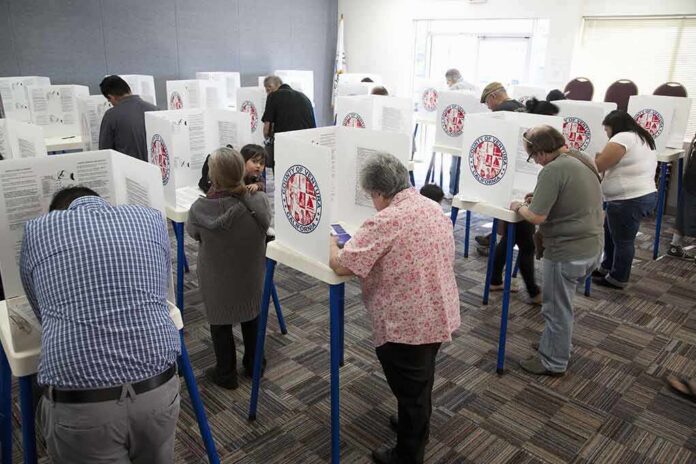
Federal grand-jury subpoenas now target California election offices over a list of roughly 20,000 suspected noncitizen registrants, putting election integrity under a microscope days after ballots were cast.
Story Highlights
- Justice Department subpoenas demand records on how officials screen for unlawful voting by noncitizens.
- Investigators are probing a federal list of about 20,000 suspected noncitizen registrants in California.
- A judge refused to segregate or block counting related ballots before full review, but the probe continues.
- California officials question the list’s basis and say they lack access to federal citizenship data.
Grand Jury Subpoenas Put California’s Screening Under Oath
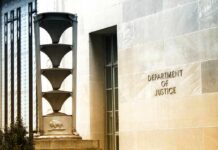
Justice Department subpoenas dated October 21 and October 24 were sent to Los Angeles County election personnel, with grand-jury appearances set for November 4, right after Election Day. The directives seek records on how offices detect unlawful voting by noncitizens and any evidence already gathered. The orders move the issue from press releases to sworn testimony, which signals a serious federal effort to verify facts, not rumors. Federal investigators want registration, address, voting history, and citizenship-related information for identified voters.
Subpoena language reviewed by reporters shows a clear focus: the methods local and state officials used to screen for unlawful voting and what they did with red flags. The demands also sweep in communications involving California Secretary of State Shirley Weber and senior federal officials tied to the probe. That scope suggests investigators want to know who knew what, when they knew it, and how they responded to warnings about possible ineligible registrations before the federal escalation.
Federal List of About 20,000 Suspected Registrants Drives the Probe
Reporting describes a federal list that flags more than 20,000 people as likely noncitizens on California rolls. Subpoenas are designed to test those flags against voter files and ballot histories. The Trump administration also sued to keep related ballots separate until citizenship could be confirmed, anchoring the same group at the center of both the civil and criminal tracks. The list is concrete enough to drive targeted requests, not just broad fishing expeditions.
Significant limits remain public. A judge declined to order immediate ballot segregation tied to the flagged group. That decision does not end the criminal probe, but it narrowed what the government could do before deeper review. The initial federal estimate reportedly fell from more than 190,000 to about 20,000, and the public record does not explain that shift. Without a released methodology, outside observers cannot see match rules, error rates, or how duplicates were handled.
California Officials Push Back on Data, Access, and Process
California’s top election officer, Secretary Shirley Weber, says the federal government has not shown a reliable basis for tagging the roughly 20,000 people as noncitizens, arguing the list lacks explained methods and usable detail. Los Angeles County officials say they cannot confirm citizenship because they do not have direct access to federal databases. In a county review of 200 records, 112 were already canceled or inactive. The sample also showed 86 people were mailed ballots, but their citizenship status and whether they voted remain unverified.
Wow… Gavin Newsom looked at a federal list of more than 20,000 people the government believes are noncitizens sitting on California's voter rolls with mail ballots headed their way, and the first thing out of his mouth was "absolute clown show" because some of those people never… https://t.co/Y4Q7YKqMd0 pic.twitter.com/b51nMFOrzG
— Joe Oltmann (@Joeoltmann) October 25, 2026
County officials also cited data-security rules when they declined to access a federal thumb drive delivered with the materials. They said doing so would conflict with established privacy protocols. State law requires only citizens to register, and California says it removes ineligible registrants. But the state’s process leans heavily on sworn statements and routine list maintenance, not ongoing access to federal citizenship files. That gap is now a central fault line in the dispute.
What This Means for Election Integrity and Next Steps
The grand jury’s work matters because it compels records and testimony. If the list is sound, investigators can identify who registered, who received ballots, and who actually voted while ineligible. If the list has errors, the process will expose them. Either way, the public deserves clear answers. President Trump’s administration pursued both court action and criminal tools here, which places accountability pressure on California systems that long operated with limited federal visibility.
Two goals can coexist: protect every legal vote and block every illegal one. That requires facts, not slogans. The Justice Department should disclose its matching rules to the court, even if redacted for privacy, so accuracy can be tested. California should document its screening steps, exception logs, and responses to federal alerts. Voters need to know how many of the roughly 20,000 people actually cast ballots, and how many were wrongly flagged. A precise, public count will rebuild trust.
Bottom Line for Readers
Election integrity is about simple math and honest records. The subpoenas show Washington is not shrugging off warnings this time. California officials are now on the record and under oath to show their work. The court already limited an emergency remedy, but the main question is still live: were ineligible people on the rolls, and did any vote count? The answers will come from documents, not talking points—and those documents are finally being pulled into the open.
Sources:
cbsnews.com, sfchronicle.com, dcnewsnow.com, nytimes.com, cnn.com, nbclosangeles.com, politico.com, washingtonexaminer.com