
A Minnesota pardon for a convicted child rapist sparked national outrage after Governor Tim Walz defended the decision, drawing sharp rebukes from conservatives and even pop-culture voices.
Story Highlights
- Governor Tim Walz defended a pardon for a man convicted of repeatedly assaulting a 10-year-old girl.
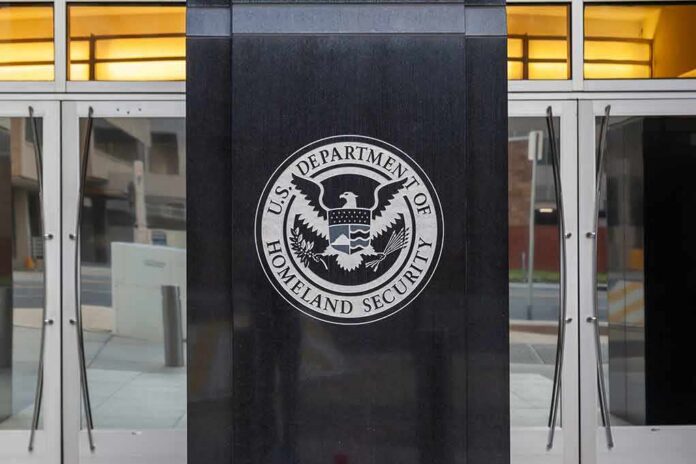
- Department of Homeland Security blasted the move as “disgusting” and tied it to sanctuary policies.
- Spencer Pratt joined public critics online, amplifying backlash to the decision.
- Minnesota’s board, led by Walz, the attorney general, and the state’s chief justice, approved the pardon.
Walz-Backed Pardon Triggers National Condemnation
Minnesota’s Board of Pardons approved clemency for Tou Lue Vang, who was convicted of repeatedly sexually assaulting a 10-year-old girl. The board includes Governor Tim Walz, Attorney General Keith Ellison, and Minnesota Supreme Court Chief Justice Natalie Hudson, and it requires their votes for approval. After the vote, federal officials and state Republicans condemned the decision. Critics said the pardon undermines justice for victims and weakens deterrence for the worst crimes against children.
Governor Walz later defended his vote. He pointed to support offered during the process and argued the case met criteria for mercy. He also addressed federal criticism, which intensified after the Department of Homeland Security said the pardon would help the offender avoid removal from the United States. Walz’s defense only fueled more anger among conservatives who say violent sex crimes against children should never receive clemency.
Federal Pushback and Deportation Fallout
The United States Department of Homeland Security issued a rare public rebuke, calling the pardon “disgusting.” The department said Minnesota’s sanctuary-style approach makes it harder to remove criminal offenders who lack legal status. Officials warned that pardons like this one can block deportation because they erase the state conviction that triggers removal under federal law. The Trump administration’s position reflects a focus on public safety and border enforcement priorities.
Local and national media highlighted the unusual nature of the case and the swift federal pushback. Coverage noted that the case drew attention at Minnesota’s next clemency meeting, reflecting pressure on the state’s process after the board’s vote. Republicans in the Minnesota House pressed Walz and Ellison over judgment and standards for mercy in cases with child victims, saying the move breaks public trust and endangers families.
Public Outrage Spreads Beyond Politics
Public reaction leapt from politics to pop culture as television personality Spencer Pratt blasted Walz on social media. His posts mirrored a wave of anger from parents, survivors, and conservative activists. The online uproar echoed a clear message: mercy for a convicted child rapist crosses a bright red line. That message dovetailed with calls for stronger support for victims and tighter rules on clemency in violent sex cases against children.
Research shows clemency grants for violent crimes are rare and become less likely when violent crime rises, a pattern tied to public safety concerns. Legal scholars also note that pardon powers carry few formal limits, which places a premium on prudence and clear standards to protect victims and maintain trust. Critics argue the Minnesota decision cuts against those norms, especially when immigration status and community safety are at stake.
What This Means for Families and Public Safety
Parents see this case as a test of whose rights matter most: victims and families, or offenders seeking a clean slate. Conservatives warn that lenient clemency sends the wrong signal to predators and chips away at equal justice. They argue that state leaders should back strong laws, back victims, and work with federal partners to remove dangerous offenders who have no right to remain in the country.
BS BRIEF: Reality TV personality and former Los Angeles mayoral candidate Spencer Pratt jumped into the national debate Friday, posting a sharply worded response after Minnesota Gov. Tim Walz defended the pardon of Tou Lue Vang, who was later deported by the Trump administration.…
— Common Sense with Chad Law (@chadparkerlaw) July 18, 2026
Calls are growing for Minnesota to tighten pardon standards, add transparency, and bar clemency for child sex crimes. Supporters say bright lines would protect kids and restore trust. As the debate continues, one fact stands out: when leaders use mercy in extreme cases, they must explain it with evidence, not slogans. Voters want a system that punishes evil, safeguards communities, and honors the pain of victims before any talk of second chances.
Sources:
facebook.com, foxnews.com, dhs.gov, youtube.com, cbsnews.com, americans-agree.org, preprints.apsanet.org