
Iranian commanders say the Strait of Hormuz is “closed” as ship attacks surge, forcing America and allies to keep vital sea lanes open under fire.
Story Snapshot
- Iran’s Revolutionary Guard leaders claim control of Hormuz and signal passage limits until demands are met.
- Attacks on commercial ships have spiked, with Singapore’s maritime authority confirming two strikes and one sinking.
- United States Central Command says lanes remain open and crude continues to move with protection.
- Maritime incident counts and fatalities show the risk is real and rising, pressuring energy markets.
Iran’s Claim of Closure and What It Means for Shipping
Iran’s Revolutionary Guard commanders have declared the Strait of Hormuz “closed,” asserting control over transit until Tehran’s demands are met, according to policy and security assessments tracking official statements and actions since late February 2026. These claims match a known pattern. Iran has often used threats, seizures, and strikes to turn this chokepoint into leverage against sanctions and pressure. The current campaign targets shipping to raise costs and fear, while Iran frames it as lawful defense under conflict conditions.
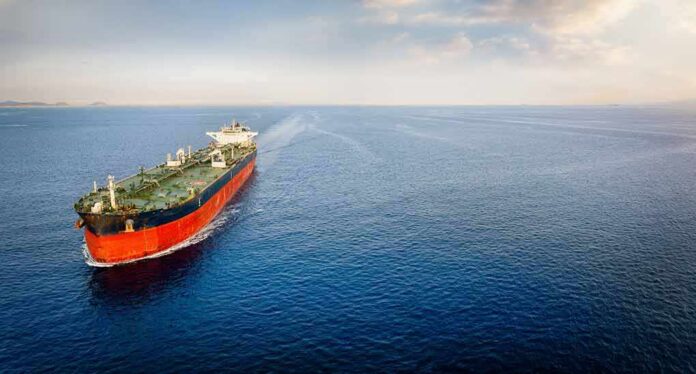
Attacks on merchant ships have surged near the strait. The Maritime and Port Authority of Singapore reported two Singapore-registered container vessels struck in mid-October. One ship caught fire and later sank after taking damage, while crews were evacuated and authorities warned operators to heighten security. Logistics and carrier bulletins identified multiple targeted vessels in separate incidents around the same window, showing a cluster of strikes that disrupted schedules, raised insurance costs, and alarmed crews.
United States Response: Keep Lanes Open, Move the Oil
United States Central Command says shipping lanes are open for lawful traffic and that American and partner forces are moving crude and commerce through the strait. Command statements highlighted large volumes of oil shipments supported in recent months and emphasized mine-clearing and convoy support to keep sea lanes safe for compliant vessels. This message aims to calm shippers and markets and to counter Iran’s narrative that it can shut the door on global energy at will.
This is not empty talk. In past crises, the United States escorted tankers and answered strikes with force to restore deterrence. Today, the same principle applies. Iran may hit vessels to scare owners and spike prices. But the United States and regional partners can reduce that risk by clearing routes, sharing intelligence, and responding to attacks. That mix keeps the lifeline open even when threats rise. Still, each new hit raises the odds of miscalculation and a wider fight.
Rising Toll: Incidents, Fatalities, and Market Pressure
Maritime trackers and industry sources report a steady climb in confirmed incidents and seafarer deaths in and around Hormuz during the war. These numbers show the real human and economic cost. They also push insurance premiums higher and reroute ships, which increases delays and prices across supply chains. One assessment counted more than one hundred incidents and dozens of fatalities in the region by mid-October, underscoring that the risk is persistent, not a one-off scare.
For American families, this matters at the pump, in the grocery aisle, and on utility bills. When tankers slow or insurers balk, energy gets tighter and transport costs rise. That is why keeping these lanes open is not an abstract Navy mission. It is kitchen-table security. The administration’s job is to protect transit rights, punish attackers, and back our partners so oil and goods flow. Strength at sea is the cheapest way to avoid a deeper, costlier crisis on land.
The Legal and Strategic Stakes for the United States
International law protects transit passage through chokepoints like Hormuz, and Iran does not have the right to close the strait to peaceful traffic. When Iran claims closure, it challenges freedom of navigation and tests American resolve. History shows that partial disruptions and harassment are Iran’s usual tools, not a full blockade. But even “partial” attacks can shift markets, embolden militias, and invite copycats in other lanes, from the Red Sea to key canals.
What a week. Here are the top 10 national stories of Oct. 11 to 17, and why each one mattered.
1. The Iran war hit shipping hard. BBC Verify counted 12 ships reporting attacks in and around the Strait of Hormuz from Oct. 5 to 11, a weekly record, and the container ship GFS Pride… pic.twitter.com/mHq3LfxXeQ
— Words Have Meaning | Word Files (@dlcampbell05) October 17, 2026
America must hold the line with clear rules and firm action. That means escorting ships when needed, striking back on launch sites tied to attacks, and tightening the net on the networks that provide drones, missiles, and mines. It also means telling shippers the truth: risk is elevated, but routes are open with protection. Iran wants fear to do what force cannot. Our answer is steady power, honest communication, and a promise kept to every sailor moving the free world’s energy.
Sources:
straitstimes.com, icis.com, sands.no, regulasshipping.com, aljazeera.com, cnbc.com, euronews.com, youtube.com, x.com