

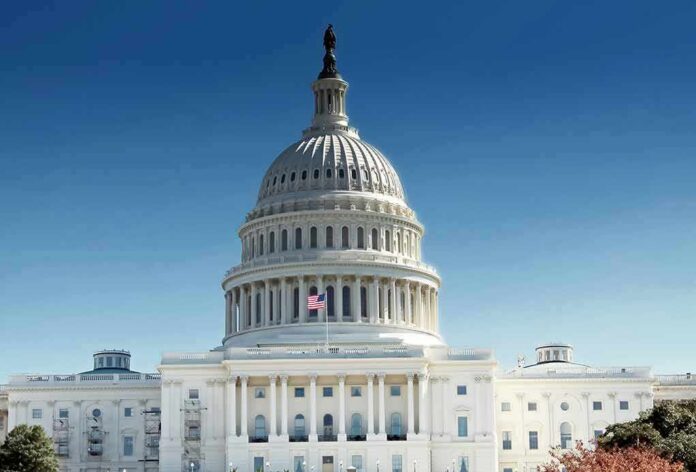
Control of Congress is on the line in Tuesday’s midterms, a verdict that will shape President Trump’s final two years.
Story Snapshot
- All 435 House seats and 35 Senate seats are on the ballot nationwide.
- Republicans hold narrow majorities, so small shifts could flip control.
- Midterms often act as a referendum on the president’s party.
- Outcomes will decide committee power, confirmations, and spending fights.
What Is At Stake: Control Of Congress And Trump’s Agenda
Voters will choose all 435 members of the United States House of Representatives and 35 seats in the United States Senate on November 3, 2026. These choices will decide which party runs Congress for the rest of President Trump’s term. The Atlantic reports that the outcome will help define what those two years look like for policy fights, nominations, and spending deals. The Associated Press and the British Broadcasting Corporation track these races because control sets the rules for every bill and hearing.
Republicans enter the election with slim control. Reporting describes the House at 218 Republican seats, the bare minimum for a majority, plus an aligned independent, and 53 Republican seats in the Senate. That math means a handful of districts or a couple of Senate races can flip control. If Republicans keep or grow their edge, President Trump will have more running room on judges, border enforcement, energy permits, and budget cuts. If Democrats seize a chamber, they gain veto points on nearly everything.
Why Midterms Often Test The President’s Party
Midterm elections tend to serve as a national test of voter opinion. The European Parliament Research Service notes that they usually move against the president’s party, reflecting turnout patterns and public mood. This pattern is not a rule, but it is common enough that both parties plan for it. That is why every competitive district and state race matters. Local issues mix with national messages on the economy, crime, immigration, and energy costs, then roll up into control of Congress.
Calling these midterms a “test of Trump” follows that tradition. The Atlantic frames the stakes as a measure that will shape the remainder of his presidency, not a personal election result. The test comes through institutions: who holds the gavel, who chairs committees, and who sets the calendar. Voters do not vote on Trump himself, but their choices decide how far his agenda can go and how hard the opposition can block it. That is why both sides are treating this as a national fight even while running local campaigns.
How Control Changes Policy Fights Immediately
Committee power drives investigations, hearings, and the first draft of every bill. A Republican House and Senate can move border security bills, energy production measures, and tax relief to the floor, then force votes or reconciliation fights. A Democratic chamber can stall those bills, reshape spending, and slow-roll confirmations. The Associated Press notes that results will guide deadlines on spending and debt, where a single chamber can force concessions. That leverage decides how much Washington taxes, spends, and regulates next year.
Judicial and executive branch confirmations also turn on Senate control. A Republican Senate can speed judges who read the Constitution as written and resist activist rules. A Democratic Senate can block or delay nominees and push for bigger agencies and broader rules. The British Broadcasting Corporation’s results dashboard underscores how a shift of one or two seats can flip that gatekeeping power. Voters frustrated with crime, illegal immigration, and high energy costs know that these levers sit in Congress, not in speeches.
Map Math: Where Small Shifts Decide Big Outcomes
With Republicans near the floor for a House majority and holding a modest Senate edge, a few close races could rewrite the map. Competitive districts in suburbs and energy states may swing on prices at the pump, border strain in local towns, and school and family issues. Close Senate contests will likely turn on turnout and late-breaking independents. The Atlantic stresses that these outcomes will define President Trump’s governing room far more than any single poll or pundit panel. Patience may be needed if counts are tight.
Results in several states could take days if margins are thin or if mail counts run long, as Al Jazeera’s overview cautions. That delay does not change the stakes. It only means the fight over Congress may extend past election night. For conservatives, the bottom line is clear: hold or grow majorities to secure border control, energy independence, safer streets, and a leaner federal government. The votes this week will set that course for the rest of Trump’s term.
Sources:
theatlantic.com, usa.gov, eprs.europarl.europa.eu, bbc.com, britannica.com, countrywatch.com