

President Trump said Ukraine should replace Volodymyr Zelensky after repeated strikes on Russian refineries raised fuel-market risks and undercut talks, sharpening a showdown between allies.
Story Highlights
- Trump urged Ukraine to “get a new leader” who can make a deal.
- Ukraine has hit multiple Russian refineries across several regions.
- Refinery damage cut Russian diesel output and tightened markets.
- Zelensky defended refinery strikes as rightful self-defense and strategy.
Trump Calls for New Ukrainian Leadership After Refinery Dispute
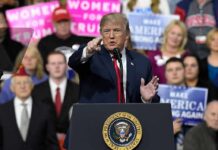
On October 10, 2026, outside the White House, President Trump said it is “time for Ukraine to get a new President,” arguing Kyiv needs a leader who can negotiate an end to the war. Trump said U.S. officials told Zelensky not to strike Russian refineries, but that Ukraine kept hitting fuel targets anyway. He framed the refinery campaign as harmful to energy stability and to chances for talks to stop the bloodshed.
Trump tied his criticism to fuel costs and supply risk, saying refinery attacks push up prices that families and small businesses feel at the pump. He argued that fewer strikes on energy sites would open space for diplomacy and reduce pressure on global diesel markets. The President’s push reflects a broader goal: use American leverage to steer the conflict toward a negotiated end rather than an endless grind with rising costs for U.S. consumers.
Documented Ukrainian Strikes and Measurable Market Effects
Ukrainian forces claimed repeated long-range strikes on Russian refining hubs this year. Reported targets included facilities near Moscow and far into Russia’s interior, such as Yaroslavl, Ust-Luga, Perm, Saratov, and Syzran. Public energy reporting said the campaign damaged at least half of Russia’s refining capacity at points, and the International Energy Agency estimated a sharp drop in diesel output. Russia then restricted exports as markets tightened.
Global energy outlets reported higher refining margins and fuel-price pressure as Russian supply shrank and repairs lagged. The squeeze hit Europe first and threatened to spill into U.S. markets when demand rose and spare capacity ran thin. These facts underpin Trump’s warning: energy shocks abroad rarely stay abroad. When diesel supplies fall, farmers, truckers, and households pay more to move goods, heat homes, and keep small shops open.
Zelensky’s Stance: Strikes Are Self-Defense and Strategy
Zelensky said Ukraine would intensify strikes on Russian refineries after Moscow’s attacks on Ukrainian energy and cities. He called refineries a strategic target that funds Russia’s war and pledged to avoid civilian objects. Ukraine’s General Staff described cross-border strikes as lawful self-defense. Kyiv argued the campaign hurts Russia’s ability to fuel and finance its military without a risky ground push, and said long-range operations were approved to answer Russian bombardment.
Ukraine’s Defense Ministry said the refinery campaign was planned to cripple Russia’s military economy. Officials claimed damage to over half of Russia’s refining capacity at times, calling it a major blow to the aggressor’s ability to wage war. Kyiv’s message is simple: cut fuel, cut the war machine. That logic explains why Ukrainian leaders resist calls to stop the strikes even amid pressure from allies worried about fuel prices and diplomatic fallout.
What Is Proven, What Is Disputed, and Why It Matters for Americans
Trump’s direct quote urging new leadership in Kyiv is documented and on the record. Ukrainian refinery strikes and their market effects are also documented by major outlets and energy trackers. What is weaker is proof of a formal U.S. directive to Zelensky not to hit refineries; that claim rests on Trump’s account without public documents to confirm it. The gap does not change the verified facts on strikes and fuel-market stress that affect U.S. families.
For conservative readers, the stakes are clear. Energy security is national security. Policies that raise costs at the pump or prolong a distant war hurt American workers and retirees. President Trump is pressing for leverage, restraint on targets that rattle fuel markets, and movement toward talks. Ukraine asserts a right to strike economic targets that fund its attacker. Both positions are recorded; voters can judge which path better protects American wallets and the chance for peace.
Sources:
humanevents.com, bbc.co.uk, kyivindependent.com, pbs.org, independent.co.uk, theconversation.com, aol.co.uk