

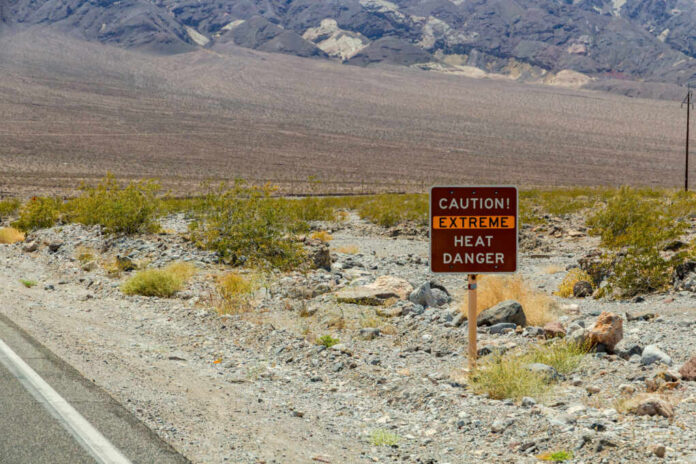
Three older hikers just died on popular Grand Canyon trails, and the way officials are handling the “heat-related” story should concern every American who cares about truth, personal responsibility, and honest government.
Story Snapshot
- Three hikers in their late 60s and early 70s were found dead on Grand Canyon inner-canyon trails within four days.
- National Park Service officials are calling them “apparent” heat deaths while formal investigations and autopsies are still pending.
- Inner-canyon shade temperatures can reach about 109 degrees, yet the park remains open and relies mainly on warnings instead of closures.
- These cases fit a long pattern of seasonal heat danger at the Grand Canyon that government appears to manage more by press releases than by clear accountability.
What Happened To The Three Older Hikers
National Park Service officials say three hikers died in two separate incidents on June 12 and June 16 while on inner-canyon trails at Grand Canyon National Park.[2] A 72-year-old man died along the South Kaibab Trail on June 12 after suffering symptoms that rangers described as heat-related illness.[2] Four days later, a 67-year-old man and 68-year-old woman were found dead on the North Kaibab Trail, also after what officials called similar heat-related symptoms.[2] Rangers responded quickly in both cases, but all three people were already dead when rescuers reached them.[3] All the bodies were taken to the Coconino County Medical Examiner for further review.[3]
Officials say both incidents happened in the inner part of the canyon, below the rim, where temperatures at midday can reach about 109 degrees even in the shade.[2] The National Park Service news release itself says the hikers appear to have succumbed to symptoms of heat-related illness and stresses that the investigation is still ongoing.[9] That means the “heat death” label being repeated across the media rests on field impressions, not final autopsy findings. For now, the names of the hikers have not been publicly released, and there is no public record yet of their medical history, hydration, or gear.[2]
How Officials Are Framing The “Heat-Related” Story
The National Park Service is leaning hard on a simple story: extreme heat, inner canyon, tragic but predictable.[9] In its official release, the agency notes that inner-canyon summer temperatures have reached dangerous levels and that conditions can quickly overwhelm hikers during the hottest part of the day.[9] It then urges visitors to stay off inner-canyon trails between 10 a.m. and 4 p.m. and repeats that hiking there can be a challenge for anyone in summer.[9] Major outlets echoed that same language almost word for word, telling readers that rangers “believe” heat-related illness caused the fatalities.[2] CBS News likewise reported that responders arrived to find all three hikers already deceased and that heat appeared to be the cause.[3]
At the same time, key facts are still missing. The park admits it has “no additional information” to share right now beyond the basic narrative and the transfer of the bodies to the medical examiner.[9] Reports do not say whether rangers talked with these hikers at trailheads, what advice they were given, or whether they were warned not to attempt long or steep hikes in the heat. There is no public detail on how much water they carried, what shape they were in, or whether they tried to push through obvious distress. For families looking for real answers, that is thin information wrapped in a very strong heat narrative.
A Deadly Pattern Inside A Beloved National Park
These three deaths are not isolated. Earlier this same month, an 18-year-old hiker also died in the park after showing heat-related symptoms on a major inner-canyon trail, underscoring that heat risk hits both the very young and the very old.[8] A peer-reviewed study of Grand Canyon emergency medical cases found hundreds of nonfatal heat-related illnesses and several fatalities over a six-year period, with nearly 9 percent of all emergency encounters tied to heat problems, mostly among hikers on inner-canyon trails.[13] Another National Park Service article reviewing search and rescue trends at the Grand Canyon described five heat-related deaths and hundreds of heat-related rescues over only a few years, with distress calls jumping sharply once temperatures passed the mid-90s.[8]
In these new cases, inner-canyon temperatures again reached beyond 100 degrees, with shade readings around 109 degrees and base highs even higher on some days.[2][4] A local report notes that temperatures at the bottom of the canyon on the June 16 incident climbed to about 112 degrees, compared with seasonal averages in the low 100s.[4] Heat like that can overwhelm even prepared hikers, especially older Americans, people with heart or hormone problems, and anyone on certain medications.[13] Many visitors underestimate how fast conditions change once they leave the rim’s cooler, breezy viewpoints and drop into the baking rock layers below.
Where Personal Responsibility Meets Government Duty
Conservatives know that nature is dangerous and that adults must take responsibility for their choices. No one forced these hikers down the South Kaibab or North Kaibab trails. The park has long warned people not to hike from rim to river and back in a single day and to avoid inner-canyon hikes during the middle of summer days.[14] But personal responsibility does not erase the government’s duty to be clear, honest, and consistent about known risks. When an agency knows a particular stretch of trail becomes a heat trap every year, it must do more than push out the same boilerplate advice after each tragedy.
Three hikers found dead from apparent heat-related illness at the Grand Canyon https://t.co/XAEY31Xzwy
If you’re visiting the Grand Canyon, DO NOT overestimate your abilities. The extreme heat inside the canyon is no joke. 🥵☀️
— Lisa (@Beez8656) June 20, 2026
Right now, there is no public evidence that the park tried stronger steps on those days, such as temporary midday closures, stricter turn-around points, or direct one-on-one interventions with older visitors starting down steep routes in triple-digit heat. Instead, we see a familiar pattern: a fast, one-page release, a strong “heat-related” label, a promise that investigations continue, and a stream of copy-and-paste media articles that accept the framing before medical examiners issue a final cause of death.[9][3] For readers who are tired of vague government answers, that looks like an agency more focused on managing the story than on letting the full facts drive the message.
How Patriots Should Read Stories Like This
For Trump supporters who value limited government and personal freedom, the goal is not more federal control over the backcountry. The goal is honest risk, clear data, and respect for citizens’ ability to make informed choices. That means pressing for real transparency: final autopsy results, detailed incident timelines, and proof that warnings at the canyon are working at the point of decision, not just in a press release after someone dies. It also means rejecting lazy media spin that turns complex events into simple talking points about “climate” or “reckless hikers.” These three older Americans deserved better than a one-word label. They deserved a system that treats their deaths as more than just another line in a summer heat story — and a public that insists on both real accountability and real freedom in America’s greatest parks.
Sources:
[2] Web – 3 Hikers Die of Suspected Heat-Related Illness During Rising …
[3] Web – Three older hikers found dead in sizzling Grand Canyon
[4] Web – Three hikers die after apparent heat illness at Grand Canyon National …
[8] Web – 3 elderly hikers die on Grand Canyon’s inner trails as temperature …
[9] Web – 18-year-old dies at Grand Canyon National Park hiking in extreme heat
[13] Web – Heat-related fatality reported in Grand Canyon National Park
[14] Web – Exertional Heat-Related Illnesses at the Grand Canyon National …