
USPS has activated extraordinary ballot-handling measures for the 2026 general election to keep Election Mail moving on time.
Story Snapshot
- USPS authorized extra ballot pickups, deliveries, and processing steps through state receipt deadlines.
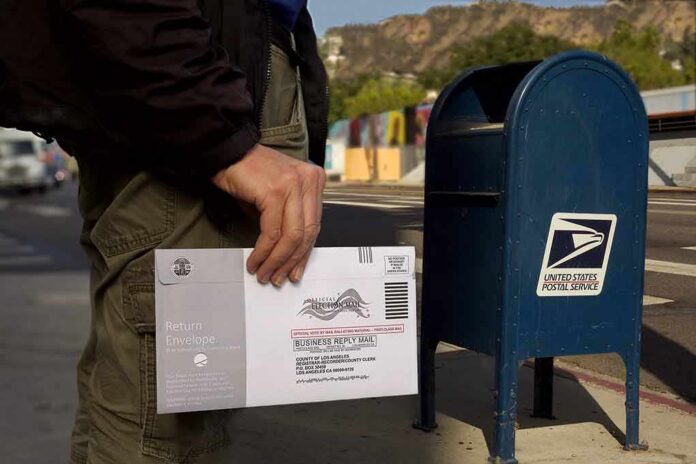
- Ballot Mail is flagged with the Official Election Mail logo, green Tag 191, and special barcodes for tracking.
- USPS posted public guidance on postmarks, extraordinary measures, and advice to mail ballots early.
- Completed voter ballots travel as First-Class Mail, giving them defined service handling.
USPS Deploys Extraordinary Steps To Move Ballots
USPS issued a 2026 preparedness memo authorizing extra delivery and collection trips, targeted sort plans, special pickups, and local ballot transportation. The memo keeps these measures in place through each state’s legal receipt deadline. Leaders said managers can add Election Day collections and delivery runs where feasible. The policy aims to keep ballot mail current as volumes rise. The memo states these actions apply when a piece can be identified as ballot mail.
USPS also told local facilities to make early collections and to adjust routes when needed. Managers can run extra plant-to-plant dispatches if that keeps ballots moving. The memo emphasizes moving identified ballots quickly through the network. It directs personnel to prioritize tasks that prevent backlogs. The language authorizes steps “to the best of our ability,” showing flexibility, but not a blanket guarantee for every last-minute piece. The focus is operational speed within legal deadlines.
How Ballots Are Labeled, Tracked, And Separated
USPS distinguishes Ballot Mail from Political Mail with clear tags, barcodes, and service codes. Ballot Mail uses the Official Election Mail logo, a serialized Intelligent Mail barcode, Ballot Mail service type identifiers, and green Tag 191 for trays and containers. Political Mail uses red Tag 57, the Political Campaign Mailing checkbox, and specific Political Mail service types. This system raises visibility in processing, helps manual sweeps, and supports rapid sorting during high volume days.
USPS reminds employees that Political Mail must be processed and delivered promptly and efficiently when it qualifies. The postal bulletin instructs staff to follow documentation rules so campaign pieces enter the right workflows. The agency offers design and planning help through Mailpiece Design Analysts, who guide senders on envelope layout, automation, and schedules. That support reduces errors that can slow mail. Campaigns can build plans that match local plant capacity and timelines.
Voter And Official Guidance For Smooth Delivery
USPS posted a public resource roundup with election-mail guides, postmark instructions, and extraordinary-measures guidance. The notice urges voters to mail ballots early to avoid tight deadlines. It links to the 2026-2027 Official Election Mail Guide and a postmark memo to standardize local practices. The agency frames early mailing as smart planning while keeping surge tools ready. The message aims to cut last-minute congestion and help election offices receive ballots on time.
• Actual status: Trump’s March 2026 EO and August USPS final rule aimed to enforce ballot design standards, unique barcodes, and state voter lists for delivery verification, but federal courts and the Supreme Court blocked implementation for the 2026 election due to timing and…
— Mary (@MaryPet85948511) November 3, 2026
USPS classifies completed voter ballots as First-Class Mail unless a voter buys a premium service. That policy gives ballots defined handling and scanning within normal standards. First-Class routing supports faster movement than lower classes. The guide makes clear how election mail should be prepared and labeled. It also explains postage, barcodes, and logo use so ballot envelopes are easy to spot. Clear identification is key because many extraordinary steps apply to recognized ballot mail.
What History And Limits Tell Us Right Now
Past audits and agency reports show special measures can raise performance during peak cycles. In 2020, the United States Postal Service Office of Inspector General reported improved standards compliance for Election Mail during the general election period, after extra sweeps and trips were used. That history suggests the 2026 framework can help again under pressure. Still, USPS materials describe plans and tools, not a final scorecard for this year’s ballots. One data point cannot answer every state’s outcome.
The current guidance depends on correct marking and timing by election officials and voters. USPS says the strongest tools work when ballot pieces are labeled, tagged, and barcoded to stand out. The agency adds advice to mail early, which matches common sense for any peak season. Different state receipt and postmark rules still shape the finish line. The plan is built to serve within those rules, using extra trips and sweeps so lawfully cast ballots can reach election offices.
Bottom Line For Readers
USPS has a defined playbook to move ballots with speed and visibility. Managers can run extra collections, add delivery trips, and pull ballots through plants using special tags and scans. Voters help that effort by mailing early and using official envelopes. Election officials help by applying the correct logo, barcodes, and tags. The system is designed to protect every lawful vote in the mail stream. Strong process and clear labels make that protection work.