
A precise U.S. strike hit Iran’s Qeshm Island even as President Trump said America had already won the conflict.
Story Snapshot
- U.S. forces struck targets on Iran’s Qeshm Island while Trump said the war was won.
- Officials called the action defensive, aimed at guarding commercial shipping lanes.
- Trump said major fighting ended months ago and described ongoing actions as limited.
- Debate continues over what “victory” means when limited force still occurs.
What Happened On Qeshm Island
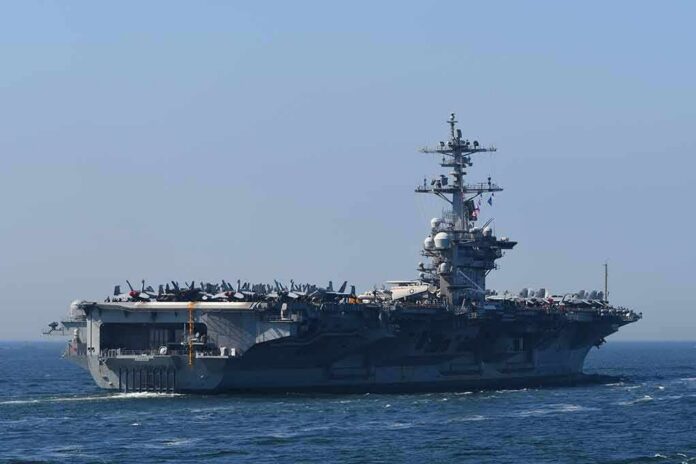
U.S. officials said American forces hit targets on Iran’s Qeshm Island on Monday. The island sits near the Strait of Hormuz, a key route for global oil and trade. Reports described radar and missile sites as targets. The action followed recent limited strikes that Washington carried out in past weeks. The same day, President Trump told reporters the United States had won the conflict with Iran and that there had been no major fighting for months.
Officials speaking about the strikes described the mission as defensive. They said the goal was to limit Iran’s ability to threaten commercial ships in and near the Strait of Hormuz. This framing suggests a narrow military purpose. It focuses on protecting sea lanes and deterring new attacks, not on expanding combat or seeking regime change in Tehran. That is why they called the strike limited in scope and effect, rather than a return to large-scale war.
Trump’s Stated End State And Ongoing Deterrence
President Trump said, “We had a war with Iran. We won,” stressing that major combat ended months ago. He cast recent actions as protective steps to hold the line after a decisive phase. On the trail and in remarks, he linked victory to Iran’s reduced ability to fight and its interest in a deal. He also said the United States is “easily winning,” pairing strength with an open door to talks if Tehran chooses a safer path.
Critics argue a strike on Iranian soil undercuts any claim that the war is over. They say action and victory language conflict. The administration answers that victory ends the heavy fight, while limited force can still shield U.S. interests and allies. That view treats deterrence patrols and pinpoint strikes like guarding a locked door after a break-in. The fight is over, they say, but the guard stays on duty to stop the next attempt.
Why Limited Force Blurs The Word “War”
Security scholars explain that modern conflicts often end major battles before a full deal is signed. Governments may claim victory while still using small, sharp tools to enforce it. These tools include limited strikes and intercepts. Under this view, victory is a political outcome that sticks only if pressure holds. That is why leaders can say the war is won while still ordering narrow actions to keep the peace and deter fresh threats.
American law and practice also speak to this gray zone. Research from leading institutions notes presidents often use limited force under their constitutional role, especially to protect Americans and vital routes. These actions can occur without a full new war vote if the aims are narrow and time-limited. Supporters say that approach is faster, clearer, and cheaper than open-ended wars. They argue it saves lives while keeping pressure on hostile regimes.
What It Means For Conservatives
For conservatives, two tests matter here: strength and clarity. The strike signals strength by denying Iran a free shot at world shipping. It avoids a costly, endless war while keeping America’s word. That balance matches a peace-through-strength view. It punishes bad actors fast, protects energy routes that affect gas and grocery prices, and avoids nation-building. The decision also keeps focus at home, where families face inflation and high costs driven by years of bad policy abroad and at home.
What To Watch Next
Watch for changes in shipping threats in the Strait of Hormuz. Track whether Iran slows radar activity or missile moves on Qeshm. Look for signs that Tehran seeks talks or tests the line again. If threats fade, the limited approach worked. If they grow, more targeted strikes may follow. The administration says the heavy fight is done. The mission now is to keep it that way with tight, lawful, and effective force where needed.
Sources:
mediaite.com, wsj.com, thehill.com, investinglive.com, iranintl.com, mbiz.heraldcorp.com, c-span.org