

Israel’s military just ran a two-day, four-division drill to counter a surprise multi-front attack, practicing fast defense of towns and borders.
Story Highlights
- Israel Defense Forces exercised four divisions plus air power against simultaneous infiltrations.
- Scenarios focused on surprise attacks by land and air, with lessons from October 7 factored in.
- The military said the drill was preplanned in the 2026 training cycle, not tied to a warning.
- The timing near Israel’s election and 1973 war comparisons raised regional attention.
Large-Scale Multi-Front Scenarios Practiced Across Israel
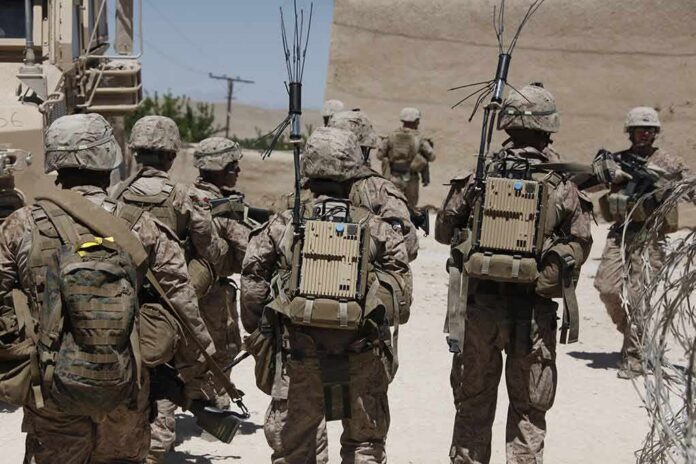
Israeli commanders ran a large exercise across northern and central Israel over two days, bringing together ground units and air power to rehearse a surprise attack on several fronts. Reporting identified the 210th Division, the Judea and Samaria Division, the 98th Division, and the 96th Division, training with the Israeli Air Force. Units drilled how to stop infiltrations, defend communities, and move quickly under pressure, including air and ground threats near towns and key roads.
Military planners said the scenarios centered on fast-breaking events, like hostile fighters crossing by land or dropping in by air. Troops practiced steps to seal borders, protect nearby communities, and sync air missions with ground moves. Officials said the drill aimed to keep units sharp, strengthen defense of civilians, and make full use of air assets to support ground forces when minutes matter in a surprise strike.
Lessons From October 7 Drive Readiness Goals
Israel’s forces said they built the training around hard lessons from the October 7, 2023 attack. That day exposed gaps in early warning and response that leaders vowed to fix. The new drill worked those lessons into playbooks for alerting units, moving quickly, and guarding small towns close to borders. Commanders stressed that practicing speed, communication, and local defense is vital when attackers try to shock defenders and race into civilian areas.
Analysts have noted that surprise attacks often exploit noise in intelligence and split-second decisions. A West Point review of October 7 found the failure was not one error, but several problems across agencies and leaders. That pattern puts weight on drills that test detection, command calls, and quick action at the tactical level. The Israeli exercise placed those pieces together to cut delays and tighten coordination when warnings are murky and time is short.
Preplanned Training Amid Election Season and Regional Tension
Israel’s military said the event was planned in advance as part of its 2026 training plan, and was not a response to a specific warning. Reports also noted the drill ran close to Israel’s national election, which drew extra attention to its timing. Coverage highlighted both the schedule and the message: the country wants enemies to see that borders and towns will be defended fast, even if a strike comes without notice on more than one front.
🛡️ Preplanned defense drill before the election:
The @IDF announced an exercise simulating a multi-front attack for Sunday and Monday in northern and central Israel, ahead of the national election. The Israeli Air Force, Northern Command and Central Command will participate,…
— Israel RealTime (@IsraelRealtime) October 24, 2026
Some outlets drew a link to the 1973 Yom Kippur War, when exercises preceded a surprise attack by Egypt and Syria. Commentators warned that misreading drills in a tense region can raise risks if one side guesses wrong about intent. Israel’s focus stayed on readiness for air and land infiltrations, tight teamwork between ground units and jets, and visible resolve to protect civilians if militants or state forces try to shock the system again.
What This Means for American Readers
Allies that drill hard deter enemies who watch for weakness. Israel’s focus on fast defense of towns, tight air-ground teamwork, and lessons learned echoes what keeps America safe, too. Prepared borders, clear chains of command, and rapid response save lives. Strong training beats talk. The message is simple: do not wait for a crisis to fix basics. That rule applies from the Middle East to our own towns and critical sites here at home.
Sources:
foxnews.com, israelnationalnews.com, timesofisrael.com, aa.com.tr, ctc.westpoint.edu