

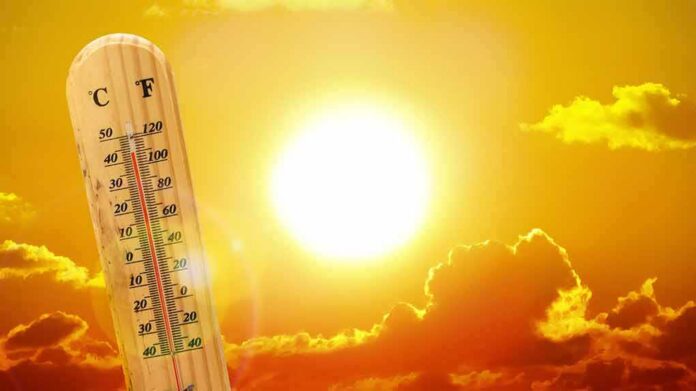
France’s weather agency says July set all-time national heat marks, capping a 16-day heatwave that pushed parts of the country above 40°C and strained daily life.
Story Snapshot
- France endured a 16-day July heatwave, among the country’s longest on record.
- Weather outlets report July ranked as the hottest July in France since 1945.
- Météo-France logged exceptionally hot nights and multiple station records.
- Global reporting shows July can be the hottest month worldwide in modern records.
Météo-France heatwave data shows an extraordinary July
Météo-France reported a July heatwave that lasted from July 4 to July 19 across France, describing the 16-day stretch as among the nation’s longest episodes on record. Coverage summarizing the agency’s analysis identified July 12 as the hottest national day of that episode, based on the 24-hour national thermal indicator. These details place the event in the country’s top tier for duration and intensity, with both daytime highs and nighttime warmth driving the stress on people and infrastructure.
Official updates from Météo-France during the month flagged persistent extreme heat in the south and highlighted unusually warm nights that kept homes from cooling off. The agency cited several striking station values, including readings above 40 degrees Celsius and nighttime lows that stayed well into the mid-20s Celsius in some cities. That pattern, where nights remain hot, increases health risks, raises power demand, and challenges local services that depend on cooler overnight periods to recover.
Multiple outlets say July topped the historical rankings
French weather reporting late in the month stated that July 2026 would rank as the hottest July observed in France since 1945, with a large national temperature anomaly versus the long-term average. That projection, issued days before the month ended, compared July 2026 against prior standouts like 2006 and 1983. While the month-end bulletin from Météo-France itself is not cited verbatim here, the independent reporting aligns with the agency’s ongoing climate summaries published that summer.
Météo-France’s broader 2026 climate publications confirm the practice of ranking months and documenting national anomalies, including a verified record for June 2026. That context supports the framework behind a July ranking. It shows France’s system uses a national indicator that blends day and night values across the country. When such a nationwide index rises sharply for weeks, it can lift the monthly mean above past Julys, even if some daily peaks remain below past single-day records.
Why conservative readers should care about the numbers
French heat records affect energy, food, travel, and security. When nights stay hot, grids strain, prices rise, and families suffer. The same lessons apply here at home. Reliable data, not hype, should guide planning. Météo-France’s reports and the month’s station readings provide concrete measures that leaders can use to harden power systems, protect seniors, and keep supply chains moving. Sound preparation beats emergency mandates and heavy-handed rules that often miss the mark and cost taxpayers more.
Right now, as this is being written, more than 300,000 people in France and Spain are sleeping in exhibition halls, sports centres and emergency shelters because their homes lie in the path of fire. Bordeaux is dealing with the largest evacuation France has seen since the Second… pic.twitter.com/5UhJrzoVJo
— Freyja Kristensen 🇪🇺🇩🇰🇬🇱🇫🇴🇪🇦🇩🇪🇺🇦 (@Germania_Freyja) July 30, 2026
Clear terms also matter. A national thermal indicator for a single day is different from a monthly average. Confusing them muddies debate and policy. Global agencies have noted July’s tendency to set modern heat marks at a worldwide scale, but national records depend on the exact method and area measured. France’s July stands out on those consistent methods. Straight talk on metrics helps block agenda-driven spin and keeps the focus on practical steps that protect families and preserve freedom.
Sources:
insiderpaper.com, wunderground.com, facebook.com, meteofrance.com, actualite.lachainemeteo.com