
A newsroom’s 9/11 post that wrote “airplanes took aim” — not terrorists — shows how language can erase blame and insult the fallen.
Story Snapshot
- The New York Times deleted its 2019 tweet after backlash over wording that implied planes, not hijackers, “took aim”.
- The outlet said it removed the tweet and edited “for clarity,” acknowledging the phrasing was wrong for a solemn day.
- The revised post centered victims and named the attacks as terrorism, fixing the core flaw critics flagged.
- The episode shows how elite media language can blur accountability and fuel public distrust during national remembrance.
What Happened: A 9/11 Tweet That Shifted Blame By Omission
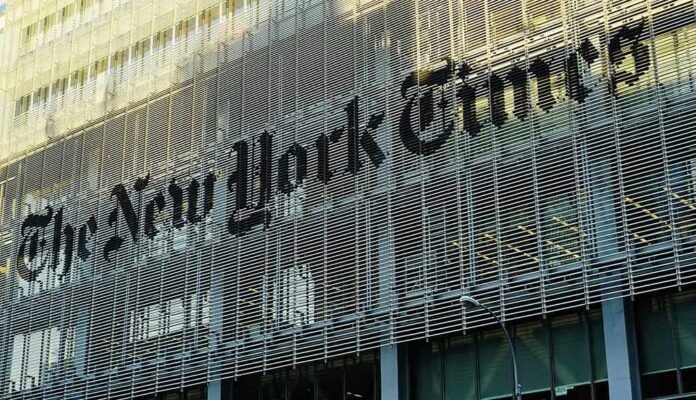
On the 18th anniversary of the September 11 attacks, The New York Times posted a tweet that read, “18 years have passed since airplanes took aim and brought down the World Trade Center.” The wording suggested agency by the planes, not the terrorists who hijacked them. The phrasing drew quick, sharp criticism online for downplaying who carried out the attacks. The Times deleted the tweet and updated both the post and the article language after the outcry.
The Times used its own account to say, “We’ve deleted an earlier tweet to this story and have edited for clarity.” That statement confirmed the publication saw a problem with the wording and moved to correct it. Critics argued the issue was not style, but accuracy and respect. On a day of mourning, Americans expect clear language that names evil as evil and honors the victims without hedging or softening facts.
Why The Wording Mattered: Naming Terrorists Honors Victims
Memorial language shapes public memory. When a leading outlet writes that “airplanes took aim,” it shifts focus away from the terrorists who planned, funded, and executed the attacks. Families and first responders deserve plain truth. The United States was attacked by al-Qaeda, and nearly 3,000 innocents were murdered. After criticism, the revised version centered the victims: “18 years after nearly 3,000 people were lost, families of those killed in the terror attacks will gather at the 9/11 memorial”.
That change fixed the core failure. It named the attacks as terrorism and put families first. The correction also revealed a deeper pattern that frustrates readers. Too often, elite media language turns active wrongdoers into vague forces, while concrete victims fade into background figures. That habit weakens accountability, blunts moral clarity, and widens distrust among readers who value truth spoken plainly, especially on days of national grief.
The Larger Pattern: Passive Voice And Culture-War Flashpoints
Major outlets sometimes use soft or passive phrasing in moments that call for direct words. On 9/11, this can spark instant backlash. Social media speeds that reaction. Screenshots spread in seconds, and the public sees the exact words with no filter. In this case, the outcry was swift and focused on the missing subject: terrorists. The Times’ quick deletion and edit show how language choices can become a reputational crisis in minutes when they clash with common sense and moral duty.
Conservatives see a pattern: institutions avoid naming clear bad actors while lecturing the public on tone. That double standard erodes trust. It also insults Gold Star families, survivors, and every American who remembers exactly who attacked us. Precision is not partisan. It is respect. Naming the terrorists is not “political.” It is factual and necessary. Editors should set firm rules for 9/11 coverage: lead with the families, call the attacks terrorism, and never blur agency or blame.
Bottom Line: Clarity, Accountability, And Respect Are Non-Negotiable
The Times ultimately corrected the tweet and centered the victims. That was the right move. But the first draft still mattered. Words teach the next generation what happened and who did it. When media get that wrong, even by tone, they risk rewriting the story and wounding those who grieve. The lesson is simple: speak plainly, honor the fallen, and hold evil accountable in clear terms, every time, without exception.