
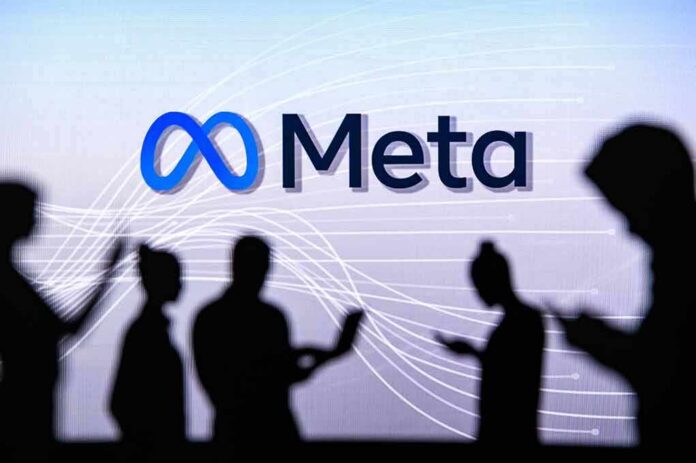
Meta is rolling out a crowdsourced “Community Notes” system across 16 Latin American countries, signaling a shift away from paid fact-checkers toward user-driven control on Facebook, Instagram, and Threads.
Story Highlights
- Meta confirmed tests of Community Notes in 16 Spanish-speaking Latin American countries.
- The system mirrors the model used on X, relying on vetted users to add context.
- A major fact-checking network leader voiced “deep concern” over the change.
- Research is split on whether crowds can match expert fact-checkers at scale.
Meta Starts Regional Test Of Crowd Notes In Latin America
Meta said it began testing Community Notes in 16 Spanish-speaking Latin American countries. Reports describe this as a step toward replacing professional fact-checking partnerships in the region. The company already uses Community Notes in English and is expanding language coverage. The test spans Argentina through Mexico and others in between, according to Meta and wire reports. The move places more power in the hands of users who meet eligibility rules and can add context to posts.
Meta’s own Community Notes page explains the basic rules for contributors. People must live in an approved country, be at least 18 years old, hold an account older than six months, and verify a phone number or set two-factor sign-in. Notes appear only when enough contributors rate them as helpful. Meta says the aim is to help people stay informed when posts seem misleading or confusing, without removing content outright.
How Crowd Context Works And Why It Matters
Community Notes asks ordinary users to write short notes that add facts, links, or context to a post. Other contributors then rate those notes. When there is broad agreement across different viewpoints, the note can show to everyone. This model follows a path first pushed on X. It favors speed and scale, since users can act in real time. It also moves moderation away from hired fact-checkers and closer to community judgment on fast-moving claims.
Supporters argue that crowd systems can improve reach and trust. Some studies find that groups of laypeople can spot low-quality posts at scale when their judgments are combined. Other research finds that community context can reduce the spread of false claims and may raise user trust in corrections. These benefits matter during breaking news, elections, and crises, when speed is key and many languages are in play across borders.
Concerns From Fact-Checking Leaders And Open Questions
The head of a major fact-checking network said she is “deeply concerned” about Meta’s test and the potential end of its professional fact-checking program in the region. Her warning reflects a view held by many expert groups. They say trained fact-checkers bring methods, sourcing standards, and accountability that crowds may not match under pressure. They also fear that bad actors could game volunteer systems during sensitive events.
Academic work also shows limits. One study finds ordinary users struggle to flag false claims in real time as well as trained fact-checkers. Another argues that strong community notes still rely on expert reporting and sources to be accurate and persuasive. Together, these findings suggest community tools work best as a complement to professionals, rather than a one-for-one replacement across every topic.
What This Means For Free Speech, Elections, And U.S. Readers
Meta’s test pushes moderation toward user control and away from top-down gatekeepers. For free speech advocates, this could be a step away from centralized censorship and toward open debate with visible context. For elections and public safety, results will depend on how fast notes appear, how fair the rating system is, and whether safeguards block brigading and organized abuse. Meta has asked its Oversight Board for input as it weighs broader rollout.
Facebook-owner Meta begins testing Community Notes in Latin America, a step toward replacing the professional fact-checking program it runs with partner organizations across the region.https://t.co/srkxJx4rQA pic.twitter.com/pP1woRsroI
— AFP News Agency (@AFP) September 9, 2026
For American users, the lesson is clear. Big tech is redrawing the line between speech and control, abroad and at home. When volunteers add context instead of companies removing posts, more speech stays online where people can judge it. That aligns with core constitutional instincts: let citizens see more, not less, and add facts in the open. But the proof will be in the results. If crowd notes are slow, biased, or easy to game, trust will fall fast.
Bottom Line: Watch The Results, Not The Promises
Meta’s Latin America test is a real-time trial of community power over speech online. The company says Community Notes can add helpful context without heavy-handed takedowns. Research shows crowds can help at scale, but experts still matter for tough calls. The test’s success will hinge on transparency, speed, fairness, and strong guardrails. Readers should expect more context labels and fewer removals as platforms chase scale while trying to defend open debate.
Sources:
insiderpaper.com, today.rtl.lu, opovo.com.br, fortune.com, lanacion.com.ar, oversightboard.com, meta.com, transparency.meta.com, publications.jrc.ec.europa.eu, misinforeview.hks.harvard.edu, dl.acm.org, journals.sagepub.com, bbc.com, experts.illinois.edu