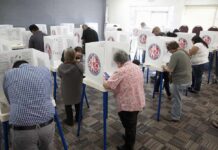

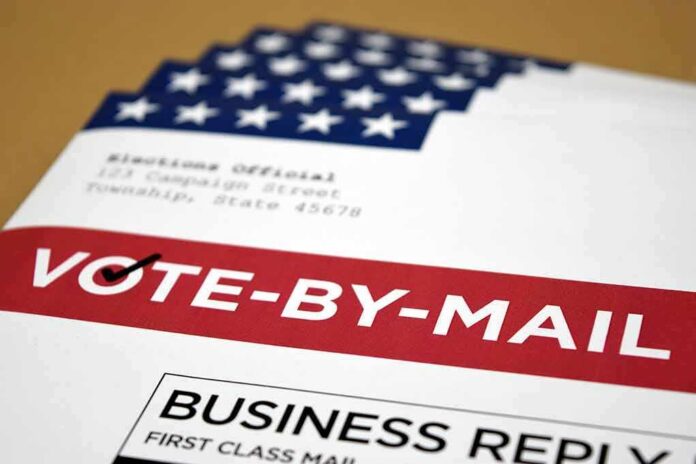
A steep 30 percent drop in Wisconsin absentee ballot requests signals a sharp shift in how voters plan to cast ballots this November.
Story Highlights
- Absentee ballot requests are down about 145,000 from the same point in 2022, a 30 percent decline.
- State election officials cite waning trust in mail delivery and a shift to early in-person voting.
- Officials still expect more than 2.6 million voters statewide, meaning methods may be changing, not civic interest.
- A recent Wisconsin court ruling affects how late-arriving ballots are handled when officials err, raising process questions.
Documented Decline in Requests
Wisconsin records show a large fall in absentee ballot requests compared with 2022. Reported figures cite 493,039 absentee ballots requested and sent in 2022 versus 347,984 requests through October 12, 2026. That gap is 145,055, or about 30 percent. The comparison draws on statewide totals that include online, indefinitely confined, in-person clerk office, and mail requests. These numbers are clear and time-stamped, and they anchor today’s discussion about how Wisconsinites plan to vote in 2026.
Three weeks before Election Day, Wisconsin clerks had also received fewer mailed ballots than at the same point in 2022. Wisconsin Public Radio reported about 128,000 received by that mark in 2026, down from nearly 184,000 in 2022. That is close to a 30 percent slide in mail traffic and fits the request trend. The scale suggests a real change in how voters are choosing to return ballots this cycle, especially via the mail stream.
Why Voters May Be Shifting Methods
Wisconsin Elections Commission Administrator Meagan Wolfe pointed to concerns about mail delays and higher awareness of other options. She said voters may prefer early in-person absentee voting because it gives more reassurance that ballots arrive on time. Local officials echoed those points, saying many voters are calling about in-person absentee sites, and that this looks like a move away from mail, not away from voting itself. Those statements set a clear, practical frame for the drop.
Madison and Dane County officials have described a return toward pre-pandemic habits, when many Wisconsinites voted early and in person rather than by mail. That shift tracks national patterns after the 2020 surge in mail voting. Administrative summaries found that mail ballot use fell after the pandemic peak, while still remaining an option many voters use. In short, the method is changing, but the goal is the same: make sure your vote counts in a secure way.
Turnout Expectations and Process Risks
The Wisconsin Elections Commission has said more than 2.6 million people are expected to vote statewide. That outlook suggests overall turnout may stay strong even as mail use falls. For election planning, this matters. Fewer mailed ballots can reduce strain on postal timing, but it can increase traffic at early-vote sites. Clerks must staff, equip, and train for that switch so lines move and rules are followed in every community.
Courts also shape the ground rules. A Dane County judge recently ruled that clerks may count ballots that are in a municipality’s possession by 8 p.m. on Election Day but reach polling places later due to official error. That ruling limits rejections tied to mistakes by government staff, while keeping the Election Day deadline for voter action. The decision underscores why clear chain-of-custody and fast reporting systems still matter for public trust.
What It Means for Voters and Integrity
Voters who distrust the mail now have clear choices: vote early in person, or hand-deliver absentee ballots to the clerk. State guidance explains how to apply for a one-time or calendar-year absentee request, and how to track ballots through the state’s system. Using simple steps, like confirming your clerk’s hours and drop-off rules, helps avoid last-minute snags and keeps your vote secure and on time in a tight race.
A polling firm has closed after releasing fake election surveys for the Los Angeles mayoral race and the Wisconsin Democratic gubernatorial primary and admitting that they were for a "social experiment."
— Dan Baggs (@profdwb1) October 16, 2026
For conservatives, the lesson is simple. Method matters because process integrity matters. A documented drop in mail requests is not a crisis by itself. But it is a warning to fix weak links, from postal timing to reporting errors. Wisconsin has seen how technical glitches and delays fuel doubt. Strong chain-of-custody, clear rules, and prompt, accurate counts protect every legal vote and keep faith with the Constitution and the people who show up to be heard.
Sources:
thegatewaypundit.com, cnn.com, factcheck.afp.com, wpr.org, elections.wi.gov, jsonline.com