
Trump’s border crackdown has turned drug seizures into a fresh measure of enforcement power, but the numbers also raise hard questions about what they really prove.
Quick Take
- Homeland Security says drug seizures rose sharply under the Trump administration, with August ranking among the highest monthly totals since his second term began.[1]
- The White House has tied border enforcement directly to the fentanyl fight and declared the drug flow a national emergency.[1]
- Research also shows most fentanyl is seized at ports of entry, where inspections can be increased without a full border shutdown.[6][9]
- Analysts warn that seizure totals do not always show less trafficking. They can also reflect better detection and different smuggling routes.[2][4][9]
Border Enforcement Is Driving the Talking Point
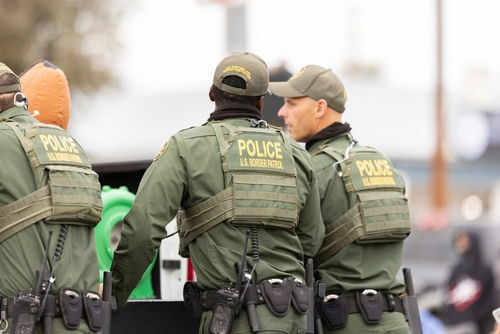
The Department of Homeland Security said Customs and Border Protection officers recorded a major jump in drug seizures in August. The agency described that month as the third-highest monthly total since President Trump began his second term, and it said the haul included fentanyl, cocaine, heroin, methamphetamine, and marijuana.[1] The message from officials is clear: tighter border control is helping federal agents find more illegal drugs before they reach American streets.
The White House has framed that effort as part of a larger emergency response. In February 2025, President Trump declared a national emergency tied to illicit drugs and criminal networks, and he said the federal response was needed to deal with that threat.[1] That matters because it shows the administration is not treating drug seizures as a side issue. It is using them as proof that border policy and drug policy are now linked.
Where the Seizures Happen Matters
The most important detail is where the drugs are being caught. Public border data show that fentanyl and other hard drugs are seized mostly at official ports of entry, not in open desert gaps.[6][9] One recent analysis said 86 percent of fentanyl seizures in fiscal 2025 happened at ports of entry, and another found that more than 85 percent of drugs at the southern border are seized there.[6][9] That means better inspection can raise seizure totals fast.
This is why the raw seizure count does not answer every question. A higher number can mean agents are doing a better job. It can also mean smugglers are shifting toward ports where lawful trade moves every day and where inspectors can target vehicles, cargo, and travelers.[2][4][11] The data do not show a clean one-to-one link between border crossings and drug seizures. They show a system shaped by enforcement focus, traffic routes, and smuggler behavior.
The Fentanyl Fight Is Bigger Than the Border
Another important point is who is actually moving the drugs. Research cited in the record shows that roughly four in five people caught smuggling fentanyl at the southern border were U.S. citizens.[2] That undercuts the simple claim that migrants on foot are the main problem. It also suggests smugglers use ordinary travelers and vehicles at ports of entry because that is harder to detect and easier to exploit than crossing between checkpoints.[2][4][12]
That reality explains why the Trump team has pushed a border-first message while also touting bigger enforcement tools. The administration has paired tougher border policy with stronger interdiction strategy, and it says that approach is part of restoring control after years of weak enforcement.[4][7] Supporters will see that as common sense. Critics will say the government is celebrating seizure totals without proving that overall trafficking has fallen.[2][9][12]
What Conservatives Will Want to Watch Next
The core issue is whether the rise in seizures reflects real progress or just better interception. If fentanyl seizures rise because officers are finding more of the drug, that can still mean danger remains high and smugglers are adapting quickly.[1][6][9] If seizures fall later, that will not automatically mean victory either. It could mean traffickers found new routes, used new concealment methods, or avoided the most heavily watched crossings.[2][11]
For readers who want secure borders, the larger lesson is simple. Drug seizures are useful, but they are not the whole scoreboard. The Trump administration has clearly made border enforcement more aggressive, and official reports show large drug hauls under that approach.[1][7] The next test is whether those wins translate into fewer overdoses, less cartel profit, and real pressure on the networks that have flooded the country with poison for years.[2][12]
Sources:
[1] Web – How The Trump Admin Achieved Record Drug Seizures
[2] Web – Imposing Duties to Address the Flow of Illicit Drugs Across Our …
[4] Web – Since President Trump has taken office, illegal crossings … – …
[6] Web – How much fentanyl is seized at US borders each month? – USAFacts
[7] Web – Weekly U.S.-Mexico Border Update: Drug seizure data, Pope Leo …
[9] Web – To Measure Border Security, Keep an Eye on the Fentanyl Numbers
[11] Web – [PDF] 1 Illicit Fentanyl and Drug Smuggling at the U.S.-Mexico Border
[12] Web – Illicit Drug Flows and Seizures in the United States – Every CRS …