
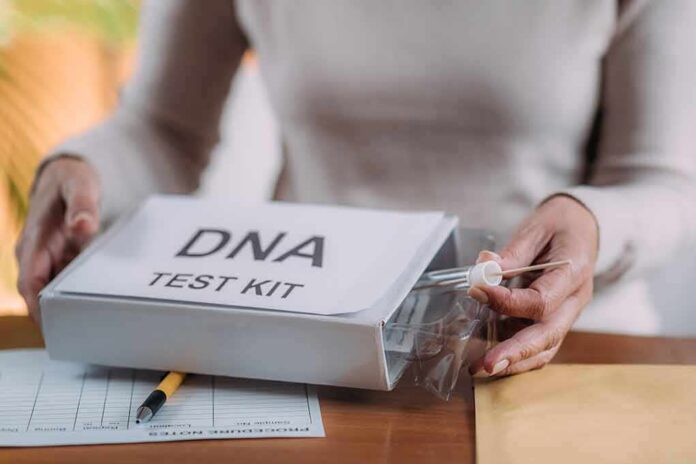
Federal records show border DNA swabs expanded to teens and even reached U.S. citizens, raising sharp constitutional alarms for conservatives.
Story Snapshot
- DHS confirmed DNA collection at the border and lowered the age from 18 to 14 in 2020.
- A congressional letter said agents began swabbing teens at specific border sites in early 2020.
- Georgetown researchers say records show more than 2,000 U.S. citizen samples were taken from 2020–2024.
- Justice Department rules under the DNA Fingerprint Act authorized collection from immigration detainees.
What DHS Approved And When It Expanded
Department of Homeland Security documents state that Customs and Border Protection and Immigration and Customs Enforcement collect DNA from people in custody. In 2020, the department reissued its privacy review and said the minimum collection age would drop from 18 to 14. That paper describes how agents gather and share samples. It frames the effort as lawful under federal rules. Those points come from the department’s own public files.
Lawmakers flagged the shift as soon as it started. A letter from Representatives Debbie Dingell, Veronica Escobar, and Rashida Tlaib said the department began taking DNA from people as young as 14. They named Border Patrol in Detroit and a port in Eagle Pass, Texas, as launch sites. That letter marked concern over minors and civil rights. It also set a public record of where and when this began.
How A Border Tool Reached Into A National Crime System
The Department of Justice issued a final rule in 2020 that let the Attorney General direct the Department of Homeland Security to collect DNA from certain immigration detainees. The rule traced back to the DNA Fingerprint Act. This is how samples end up in the Federal Bureau of Investigation’s national database. That rule gives process and force to the program. It is the backbone for agency actions today.
Georgetown University’s Center on Privacy and Technology reviewed records and says the Department of Homeland Security has become a major source of new DNA profiles. The group reports the program operates with little oversight and that profiles can be used in general policing. Their analysis says more than 2,000 U.S. citizen samples were taken between 2020 and 2024. That detail shows the sweep is broader than only noncitizens.
Where Civil Liberties Collide With Border Enforcement
Conservatives value strong borders and due process. This program tests both. Federal papers justify the swabs under law. Yet government power should be narrow and precise. When agents swab teens, or take samples from citizens, alarms go off. Those are not small steps. DNA is forever. A database can follow a family for generations. That is why the U.S. Constitution places limits on search and seizure and why transparency matters.
A 2021 watchdog report said the department did not even collect DNA consistently across its own units. That gap shows weak oversight. Weak oversight and a growing database do not mix. It invites mission creep, errors, and abuse. It also clouds who can get a profile removed and how fast. The public record in hand does not show a specific case of misuse. But the risk is plain, and parents should not have to guess whether their child is in a crime index.
What The Numbers Mean And What We Still Do Not Know
The scale is large, but not all claims are pinned down. Some outlets talk about millions of samples overall, and the Georgetown team says the department became a main contributor to the database. The specific “3.3 million” figure is not confirmed in the sources here. The public record supports a major expansion, teen collection, and thousands of citizen profiles. It does not provide a single, final audit with exact totals by group.
President Trump’s charge to secure the border is clear. That mission can move forward while guarding basic rights. Congress can require regular public tallies, fast removal paths for citizen samples, and strict limits on how police can use these profiles. The Department of Homeland Security can publish retention rules in plain language, not legal code. These steps fit conservative values: strong security, small government power, and respect for the Constitution.
Sources:
dhs.gov, debbiedingell.house.gov, law.georgetown.edu, yahoo.com, thehoya.com