

Fact-checks say no law forced a Kansas doctor to sue his own patients, even as court files show 700-plus lawsuits and arrests tied to missed hearings.
Story Highlights
- President Trump defended Senator Roger Marshall’s debt suits; fact-checks dispute a legal mandate claim.
- Kansas court records show more than 700 patient lawsuits and 81 arrests after missed court dates.
- Reports say no law required doctors to sue or attorneys to seek arrest warrants in these cases.
- The distinction: judges issue warrants for missed appearances, not for unpaid medical bills alone.
What Trump Said And Why It Matters
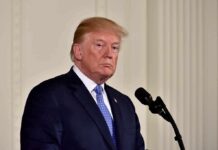
President Trump told Kansas voters that Senator Roger Marshall was “mandated by law” to pursue patient debts and could have faced arrest if he did not. Reporting from national and state outlets disputes that specific legal claim, stating they found no statute that forced a doctor to sue patients or request arrest warrants. Trump also noted that Marshall’s law firm handled the filings, which reporting supports, though it does not create a legal duty to litigate.
The heart of the dispute is simple. Medical debt is a civil matter. A missed court date is a separate legal problem. Kansas judges can issue arrest warrants when a person ignores a court order. That is different than jailing someone for an unpaid bill. Fact-checks and court-record reviews say attorneys were not required by law to ask for warrants, even if a patient failed to appear. That difference matters for fairness and for truth in campaign claims.
What The Records Show About The Lawsuits
The New York Times reviewed Kansas court files and found more than 700 lawsuits tied to Marshall’s obstetrics practice. Those records show 81 arrests, which followed missed court dates, not the debt itself. Separate coverage states Marshall’s lawyers sought warrants in at least 13 additional cases. These reports confirm the scale of litigation and the role of the courts in issuing warrants after no-shows, while also noting attorney requests in some matters.
Medical trade and local press also tracked the numbers and procedures. Their stories describe the suits, wage garnishments, and the pattern of arrests that followed failures to appear. They also report that Marshall’s practice used an 18 percent annual interest rate, which the Kansas City Star said was higher than other Kansas practices it reviewed. These elements shape a charged narrative in an election year and inflame anger over health costs and collections.
What The Law Does And Does Not Require
Fact-checks and regional outlets report that no federal or Kansas law required a doctor to sue a patient over an unpaid bill. They also report no law required a creditor’s attorney to seek an arrest warrant when a person missed court. Judges can issue warrants for missed appearances, but that is a judicial step based on contempt or failure to comply, not a punishment for being in debt. The mandate claim is the crux, and it is where reporting says the record falls short.
Those outlets also point out a practical contrast. A review of 150 Kansas medical practices found 35 that sued patients, suggesting litigation is an option, not an order. Doctors can choose payment plans, charity care, write-offs, or lawsuits. That discretion pushes back on any claim that a provider would face criminal arrest for not filing suit. It also highlights how policies and judgment calls can avoid harsh outcomes for families.
Competing Stories From The Campaign Trail
Campaign ads and replies add heat to the legal debate. A former patient said she was arrested over a missed fifty dollar payment. Marshall’s campaign argued the arrest followed a missed court date and a larger balance. The tension shows how individual cases can turn complex and emotional fast. Still, the legal core stays the same: arrests stem from missed hearings, and no cited statute required the doctor or lawyers to ask for a warrant.
President Trump on controversy over Sen. Roger Marshall (R-KS) pursuing former patients for unpaid medical debt: "You got screwed with that stuff." pic.twitter.com/bl81H4Letu
— CSPAN (@cspan) October 20, 2026
For conservatives, two points stand out. First, courts, not creditors, issue arrest warrants after no-shows. Second, truth in claims matters, especially when critics use medical debt to attack broader reforms. Families deserve clear rules, fair bills, and a path to settle debts without crushing interest rates. Policymakers can back transparency, charity care awareness, and faster dispute resolution, while keeping government from heavy-handed mandates that raise costs and fuel chaos.
Sources:
mediaite.com, sanluisobispo.com, medicaleconomics.com, thehill.com