
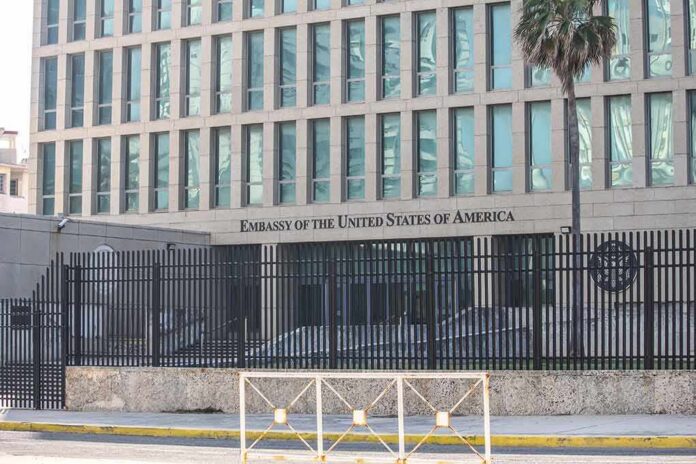
As riots, looting, and curfews hit major French cities, the U.S. Embassy warned Americans to avoid demonstration zones to stay safe.
Story Snapshot
- U.S. Embassy in France issued a security alert urging Americans to avoid protest areas.
- French authorities imposed localized overnight curfews in parts of Paris and other cities.
- Police reported violence, looting, and attacks on public buildings and businesses.
- The alert is a routine, short-term safety message, not a nationwide travel ban.
Embassy Warning Follows Nights of Street Violence
U.S. officials in Paris issued a security alert telling Americans to steer clear of demonstrations after protests turned violent across several French cities. The message referenced unrest tied to October 17 events and warned that scattered protests could continue, even with curfews in place. French media and international outlets reported smashed storefronts, looting, and clashes with police. The alert urged common-sense steps: avoid protest areas, monitor local news, and follow police orders if caught in affected zones.
French authorities moved to curb the violence with targeted curfews in parts of Paris and other cities. Police set hours from 11 p.m. to 6 a.m. for key central areas such as Place de la République and the district around Les Halles. These orders aimed to break up crowds and prevent more nighttime attacks on shops and public sites. The measures followed a weekend of widespread rioting that officials described as the worst in years in some areas.
Localized Curfews Target Hotspots in Paris and Beyond
Paris police announced that specific downtown zones would be off limits overnight, with bans on evening gatherings before curfew in some locations. The interior measures were described as “very limited” and “localized,” focused on the neighborhoods that saw the most damage and arrests. Prime Minister Sébastien Lecornu told regional leaders to use tight curfews where needed to stop roving mobs and protect businesses and transit lines from more vandalism and theft. Officials said enforcement would continue as long as risks persisted.
Major outlets reported curfews or bans in multiple cities as authorities tried to block new flashpoints and ease pressure on first responders. Police cited threats to city halls, other public buildings, and hundreds of private businesses that were looted or burned during the weekend surge. The orders concentrated police in transit hubs and downtown squares where crowds formed quickly. Curfews, patrols, and rapid bus and rail shutdowns were used together to clear streets before midnight and prevent renewed violence.
What the U.S. Alert Means for American Travelers
The U.S. Embassy alert is a short-term safety notice, not a change to the country’s overall travel-advisory level. State Department guidance explains that embassies send alerts when a specific, often brief risk develops, such as protests, strikes, or natural disasters. These alerts tell Americans on the ground how to stay safe in the moment. They differ from the four-level travel-advisory system that rates countrywide risk and changes less often based on broader conditions.
6 PM Top-of-the-Hour News
Protests continue in France Student protestors blocked the entrance to the Louvre in Paris, preventing it from opening. French Police arrested 24 hundred people over the weekend, as the student protests morphed into looting and arson.
Brad Gibson… pic.twitter.com/LodW17pZDA— Worldwide News Network (@WorldwideNNX) October 19, 2026
Americans in France were told to avoid protest routes, watch for detours and transit closures, and prepare for possible curfews that could delay trips or strand riders after dark. Travelers were urged to carry identification, keep phones charged, and register with the Smart Traveler Enrollment Program to receive updates. The alert reminded citizens that bystanders can face sudden danger when protests turn fast, even if they do not join a demonstration. These steps help reduce risk until order returns to the affected streets.
Safety First: Practical Steps While France Quells Unrest
Travelers can map routes that bypass central squares and government buildings, where protests often gather. Hotels outside curfew zones may limit exposure to blocked roads and transit halts. Families should set daytime check-ins and share live locations when moving through rail stations or shopping districts. Small changes—like earlier dinners, daylight sightseeing, and flexible train times—can prevent getting stuck after curfew cutoffs in city centers. These simple habits improve safety without canceling travel entirely.
American readers know this pattern: when order breaks down, it is everyday citizens and small businesses that pay the price. French leaders now face the test of restoring calm, protecting property, and punishing violent actors. The U.S. alert reflects a basic duty to warn and equip Americans with clear steps. Curfews and targeted policing show that authorities recognize the threat and are acting to contain it. Until then, common sense and vigilance are the best shields for travelers and families abroad.
Sources:
thegatewaypundit.com, france24.com, edition.cnn.com, dw.com, bbc.co.uk, pbs.org, abcnews.com, ntd.com