
President Trump’s Treasury launched Operation Economic Outcast to choke off Iran’s cash flows across oil, shipping, gold, tech, and digital assets.
Story Highlights
- Treasury began a global sanctions push to cut every Iranian revenue stream.
- New sector rules hit aviation, shipping, gold, technology, and digital assets.
- Third-country firms risk losing access to the U.S. financial system if they help Tehran.
- Officials call the campaign the toughest economic isolation yet against Iran.
Treasury Launches Operation Economic Outcast
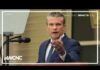
The White House said the United States Treasury started Operation Economic Outcast at President Trump’s direction on August 25, 2026. The plan aims to sever every economic lifeline that sustains the regime in Tehran. Officials framed the move as an unprecedented, global push to cut off revenue and punish networks that help Iran’s military and cyber operations. Treasury Secretary Scott Bessent described an economic onslaught against Iran and its enablers during public remarks this week.
Reporters covering the rollout noted the scope of the campaign. The push targets all known revenue streams, including crude oil sales and maritime logistics that move sanctioned cargo. Treasury warned that it will pursue actors that facilitate money laundering or sanctions evasion for Iranian fronts. Officials said the goal is simple: raise the cost of doing business with Tehran until the regime changes course or stands alone without cash or credit lines.
Five Key Sectors Now Exposed to U.S. Sanctions
The Office of Foreign Assets Control issued a formal determination extending sanctions exposure to five Iranian sectors. The new sectors are aviation, digital assets, gold, shipping, and technology. This move sits on top of earlier authorities and raises the stakes for banks, brokers, insurers, and freight firms who touch those areas. The determination makes secondary sanctions more likely for non‑U.S. firms that keep servicing those sectors tied to Iran’s economy.
Coverage by specialist and mainstream outlets underscored that the sector move is not symbolic. It sets a clear legal hook to blacklist entities and cut them from dollar clearing or United States counterparties. Compliance officers worldwide now must screen deals involving aircraft parts, crypto services, bullion trades, container moves, and dual‑use tech that could reach Iran. That chilling effect is part of the design of the campaign, according to Treasury’s public statements.
Secondary Sanctions Pressure on Foreign Companies
Treasury reiterated that any entity aiding Iranian money flows can be cut off from the United States financial system. That includes non‑United States banks and companies that process, insure, ship, or finance sanctionable transactions. Past actions show how this works: when Washington applies secondary sanctions, many global firms choose the United States market over Iran. The threat of losing dollar access drives quick compliance and wider isolation of targets beyond United States borders.
Operation Economic Outcast (FULL SHOW)- Martin Armstrong https://t.co/AJDZPEGrHd via @YouTube
— Carlos (@CChang21407) August 26, 2026
Analysts who track Iran sanctions describe a familiar pattern. United States officials widen sector coverage, warn of secondary penalties, and push allies and neutral states to align. Research indicates these steps can restrict trade, shrink access to finance, and complicate shipping for Iran. Some studies argue sanctions bite hard but do not always change Iran’s core security policies. The administration is betting tougher pressure and tighter enforcement can move the needle now.
What This Means for American Readers
President Trump’s team is using United States financial strength to box in a hostile regime without putting troops in harm’s way. The plan targets the money behind missiles, militias, and cyber attacks. It also warns Beijing‑linked and other foreign middlemen who try to sneak around the rules. For families at home, this is about defending American lives and interests while keeping pressure on a regime that threatens allies and our troops abroad, using dollars and laws instead of bombs.
Sources:
redstate.com, aljazeera.com, whitehouse.gov, mlex.com, kharon.com, reuters.com, bostonherald.com, open.metu.edu.tr, home.treasury.gov, congress.gov