
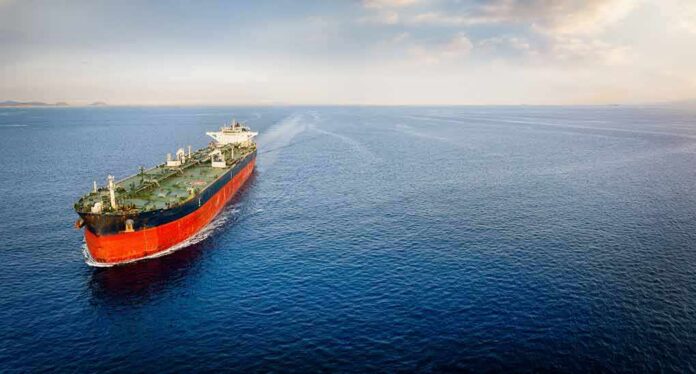
U.S. forces disabled a tanker headed toward Iran’s Kharg Island after repeated warnings, enforcing a blockade many said Iran could ignore.
Story Highlights
- Central Command said a U.S. aircraft fired a Hellfire missile that disabled the Curaçao-flagged Belma.
- Reports from Iran claimed the tanker was struck again near or at Kharg Island, adding to confusion over timing and location.
- Major outlets described a blockade-enforcement action against a non-compliant, unladen vessel headed for Kharg Island.
- Explosions near Kharg Island were reported as the wider U.S.–Iran maritime standoff disrupted shipping lanes.
What U.S. Central Command Says Happened
United States Central Command said an American aircraft disabled the Curaçao-flagged commercial tanker Belma after the ship ignored multiple warnings while transiting international waters toward Kharg Island. The command said the vessel was unladen and non-compliant with the U.S. blockade, and that a Hellfire missile strike into the smokestack or engine area stopped the ship. The British Broadcasting Corporation and Bloomberg each relayed similar details from Central Command, including the ship’s route toward the Kharg oil terminal.
National Public Radio summarized Central Command’s statement and said the Belma attempted to violate the blockade before being disabled. People’s Daily also reported that U.S. forces struck a tanker sailing toward Kharg Island, reinforcing that the action took place in transit rather than in port. These accounts align on the core facts: the ship moved toward Kharg, refused to comply, and was disabled by a precision strike designed to stop propulsion, not sink the vessel.
Competing Iranian Claims And Reported Blasts
Iran International reported that a Bushehr deputy governor said an empty tanker docked at Kharg Island was struck by U.S. missiles again, and identified the vessel as Belma. Middle East Eye, citing Fars, quoted the same official saying “Belma N.I.22” had been hit two days earlier and then hit again near Kharg Island. Reuters reported explosions heard near Kharg Island and relayed Iranian reports that a U.S. missile had targeted a tanker, while noting that the origin was unknown in the Fars account.
These Iranian-linked claims raise questions about whether there was a second strike, or whether reports are describing the same disabling action in different terms. The available record here does not include an international maritime number, port logs, or insurer notices to confirm the ship’s identity across all mentions. Without those neutral records, the clearest on-the-record account remains Central Command’s description of a single disabling strike on a non-compliant tanker headed toward Kharg Island.
Why This Matters For Energy Security And U.S. Policy
Reuters and Bloomberg described a period of renewed escalation that has slowed traffic through the Strait of Hormuz. The slowdown raises costs and risk for shippers and for American families who feel higher prices at the pump when chaos rules sea lanes. Enforcing the blockade against a sanctioned, unladen tanker signals that the United States will not allow Iran to use gray-zone shipping tricks to dodge pressure while funding hostile actions across the region.
Per initial Iranian reports only: the US reportedly struck an Iranian oil tanker near Kharg Island following an Iranian strike on a vessel overnight.
This would mark a live application of Washington's new "tanker-for-tanker" policy, confirmed as official days earlier via Axios.… https://t.co/yPTpsy7o4J— WORLD COMPASS (@world_compass_) September 5, 2026
For many readers, this is about rule of law, deterrence, and stable energy flows. Precision disabling after clear warnings shows measured force with a narrow aim: stop the run to Kharg without wider harm. That aligns with conservative principles of peace through strength and with protecting American wallets from energy shocks caused by rogue actors. Multiple major outlets reported the warnings and disabling action, giving the public a consistent picture despite Tehran’s shifting claims.
What We Know, What We Don’t
We know Central Command says a U.S. aircraft disabled the Belma as it headed toward Kharg Island after warnings. We know several outlets with different leanings repeated that core account. We also know Iranian officials and state-linked media claimed the tanker was hit again near or at Kharg. What we do not have in this record are independent hull surveys, satellite damage photos, or towage and port records that could settle whether there were one or two strikes and precisely where the impact occurred.
Bottom Line For Readers
The United States enforced its blockade by stopping a non-compliant tanker before it could reach Kharg Island. That action defends freedom of navigation and pushes back on Iran’s oil lifeline without broadening the fight. Iran’s media push tries to blur the facts and paint a larger attack, but the most supported account is the U.S. disabling strike after warnings. Staying firm at sea protects American interests, deters Tehran’s games, and helps keep energy markets from being held hostage.
Sources:
npr.org, bbc.com, iranintl.com, reuters.com, nytimes.com, bloomberg.com, en.people.cn