
House leaders shut down session early as Rep. Thomas Massie’s impeachment push over alleged unauthorized wars closed in on a floor fight.
Story Snapshot
- Rep. Thomas Massie filed eight impeachment articles against Defense Secretary Pete Hegseth over alleged unconstitutional warfare.
- House Speaker Mike Johnson ended session a day early, delaying any vote until after midterms.
- Johnson called the effort a “publicity stunt,” praising Hegseth’s performance and warning against “playing games” with security.
- Massie’s charges cite alleged hostilities in Iran, Yemen, and an operation tied to Venezuela.
Massie’s Case: War Powers And Constitutional Limits
Rep. Thomas Massie introduced eight articles of impeachment against Secretary of Defense Pete Hegseth, arguing the Pentagon launched and continued hostilities in Iran without approval from Congress. Massie’s filing says Hegseth acted “lacking lawful authority” and violated the Constitution and the War Powers Resolution by engaging Iran without an authorizing vote. Massie’s office framed the charges as a clear stand for Congress’s power to declare war and to check the executive branch when force is used abroad.
Massie also pointed to alleged actions in Yemen and Venezuela. The resolution labels an “Unlawful War in Yemen,” and references an alleged U.S. operation that involved the capture of former Venezuelan leader Nicolás Maduro. A summary of the filing says these actions were taken without a vote of Congress and outside any imminent threat to the United States. Supporters of the effort say Congress cannot allow military adventures to bypass the people’s elected branch again.
Leadership Response: Delay, Dismissal, And Floor Control
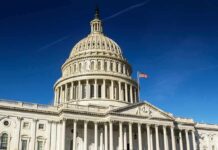
House Speaker Mike Johnson moved to recess early and canceled planned votes, which sidelined an expected showdown over the impeachment resolution. That move pushed any action into the post‑midterm calendar, taking the heat off leaders managing a crowded agenda. Johnson publicly dismissed Massie’s push as a “publicity stunt,” praised Hegseth’s record at the Pentagon, and warned that the House should not “play games with national security” while conflicts continue. The scheduling call effectively blocked a near‑term vote.
Procedural history shows why this matters. Impeachment resolutions can be privileged and force quick consideration, but the majority can still use recesses and the calendar to manage timing. That is how many war‑powers fights play out: Members try to force accountability, while leaders try to contain the clash and keep control of the floor. In this case, the early adjournment kept the question from being tested before voters weigh in.
What The Articles Claim, And What Remains Contested
The text on Congress’s website states Hegseth acted in “direct contravention” of the Constitution and the War Powers Resolution during operations against Iran. Massie’s release outlines additional claims tied to Yemen and the alleged Venezuela operation. Major outlets summarized the articles as accusing Hegseth of running an unlawful war in Iran and ignoring safeguards meant to limit civilian harm, while also citing extrajudicial actions abroad. These are allegations, not findings, and would require House and, if adopted, Senate action.
Johnson’s defense of Hegseth leaves a clear divide. Massie frames this as Congress reclaiming its war authority. Johnson frames it as a distraction from urgent security tasks and says Hegseth is doing an “extraordinary” job. No detailed public rebuttal from Hegseth’s department accompanied the leadership response in this news cycle. The factual core is firm: the articles were filed; the alleged conduct spans Iran, Yemen, and Venezuela; and the House session ended early, delaying a vote.
Why Conservatives Should Care: Power, Prudence, And Precedent
War powers define who decides when Americans go to war. The Constitution gives Congress the power to declare war. The War Powers Resolution requires notification and limits unauthorized hostilities. When those lines blur, executive power grows and public consent shrinks. Massie’s effort tests those limits and signals that some in the Republican conference want firmer checks, even under President Trump’s administration. The early recess shows leadership prefers to handle the clash after elections, not in the heat of a floor fight.
🚨Massie’s lame-duck impeachment of Hegseth is a War Powers stunt, not a constitutional case.
Massie lost his primary to a Trump-backed challenger Hegseth endorsed. He filed a privileged resolution with no notice to force a two-day clock on the eve of recess. That is a…
— MAGA ME us (@MyHandleNo) September 17, 2026
Conservatives value peace through strength, but also demand clear rules and accountability. If force is needed, it should be debated and approved by Congress. If missions expand, Congress should vote. That is not anti‑military; it is pro‑Constitution. The coming weeks will show whether the conference chooses a clean vote on the merits or continues to manage the clock. Either way, this fight will set a precedent for how far any Pentagon leader can act without a green light from the people’s House.
Sources:
mediaite.com, yahoo.com, insidedefense.com, wtop.com, en.royanews.tv, usatoday.com, pbs.org